12 ways to cut your electricity bill without freezing or sweltering (and the "phantom loads" you can't see)
The power bill is still one of the household expenses people worry about most. These simple changes, from the thermostat to devices on standby, can save a significant amount without sacrificing comfort.
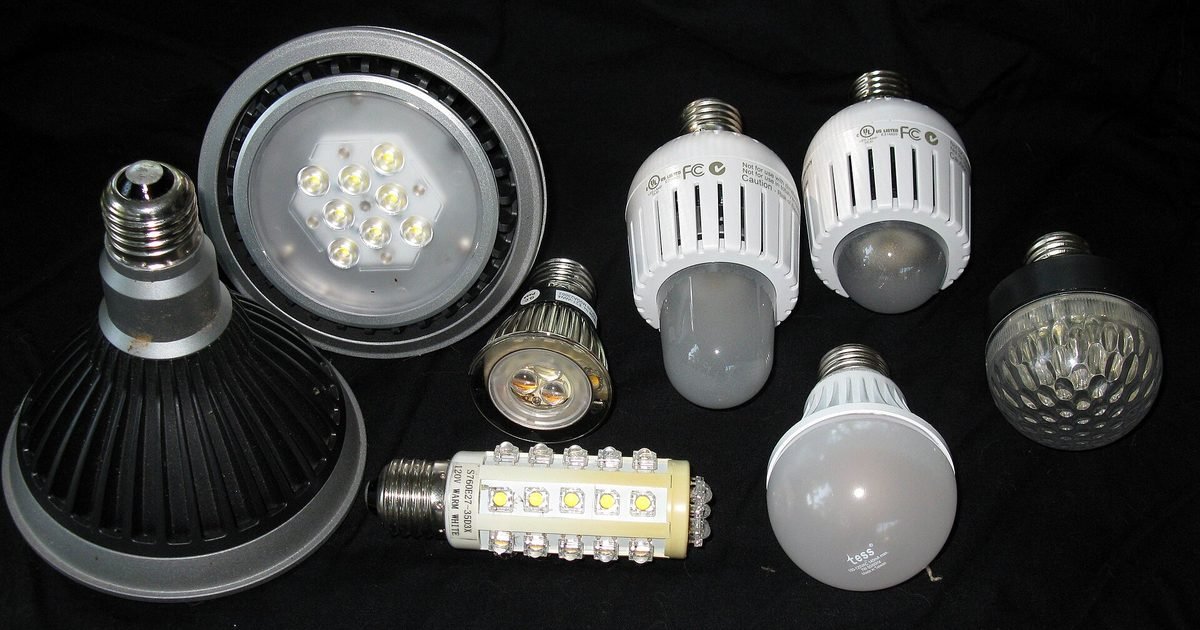
Photo: Geoffrey.landis at English Wikipedia / Wikimedia Commons · CC BY 3.0
Every month the bill arrives with the same question: how can it be this much? Between heating and cooling, appliances and all the gadgets we keep plugged in, electricity is one of the fixed costs that weighs most on a household budget. The good news is that many measures cost nothing or pay for themselves within a few months. Here's a practical guide.
First, understand where the energy goes
In most homes, heating and cooling and water heating are the biggest items, followed by the refrigerator, washing machine, electric cooking and lighting. That's why the biggest savings usually come from those areas, more than from unplugging your phone charger.
Heating and cooling: the big one
1. Adjust the thermostat
Every degree counts. According to agencies such as the US Department of Energy, each degree you lower the heating or raise the air conditioning can cut its energy use by roughly 7% to 10% (figures vary by climate and system). A reasonable target: 19-21 °C (66-70 °F) in winter during the day and 25-26 °C (77-78 °F) in summer.
2. Use air conditioning wisely
Use fan mode when it's enough, clean the filters every few weeks during the season, and close blinds and curtains during the sunniest hours. A ceiling fan uses a fraction of the power of an air conditioner.
3. Stop the drafts
Weatherstripping on doors and windows, heavy curtains in winter and blinds closed at night greatly reduce heat loss. These are some of the cheapest upgrades there are.
Appliances
4. Wash in cold water
Most of the energy a washing machine uses goes into heating water. Modern detergents work well at 30 °C or cold for everyday laundry. Use the "eco" program too, even if it takes longer: it uses less energy.
5. Run full loads
Only run the washing machine and dishwasher when they're full. And there's no need to pre-rinse dishes under hot water.
6. Look after your fridge
Keep it at around 4-5 °C (about 40 °F) and the freezer at -18 °C (0 °F). Don't put hot food inside, check that the door seal closes tightly and leave space behind it for air to circulate. If it's very old, replacing it with a high-efficiency model can save a lot over time.
7. Air-dry your laundry
The tumble dryer is one of the most power-hungry appliances. Hanging clothes to dry whenever possible is a direct saving.
8. In the kitchen
Put lids on pots, match pan size to the burner, switch off the electric stove a few minutes before you finish cooking, and use the microwave or air fryer for small portions: they usually use less than a full-size oven.
"Phantom loads"
9. Turn off standby
TVs, cable boxes, game consoles, smart speakers, microwaves with clocks, chargers... Devices on standby can account for 5% to 10% of a home's electricity use, according to various estimates. A power strip with a switch, so you can turn off the whole TV and computer corner at night, is an easy fix.
Lighting and hot water
10. Switch to LED
An LED bulb uses up to 80% less energy than an incandescent bulb and lasts many times longer. If you still have halogen or incandescent bulbs, replacing them is one of the fastest investments to pay off.
11. Take shorter showers
If your water is heated electrically, cutting a shower from 10 minutes to 5 makes a big difference. A low-flow showerhead helps too. If you have an electric water heater, set it to around 55-60 °C (130-140 °F): hot enough for hygiene and to prevent bacteria such as Legionella, without wasting energy.
Your plan
12. Review your contract
Many utilities offer time-of-use plans with different prices depending on the hour. If you're on one, schedule the washing machine, dishwasher or electric car charging for the cheapest hours. Check whether your local utility or government offers rebates for efficient appliances or assistance programs for low-income households.
Do the "energy-saving boxes" advertised online work?
Be wary of small plug-in devices that promise to cut your bill by 50% or more. Consumer groups and electrical experts have tested them, and they produce no real savings in homes; some don't even meet electrical safety standards.
A plan for one afternoon
Review your latest bill and your rate plan, replace any remaining old bulbs, install a switched power strip in the TV area, set the washing machine to cold, and adjust the thermostat by one degree. Five small steps that together can show up on your next bill.
For information only. It does not replace advice from a health professional. Medical disclaimer
You may also like
 Animals
It looks AI-generated, but it's real: the red-lipped batfish of the Galápagos
 Health
Do you always wake up at 3 a.m.? What might be going on and how to get back to sleep
 Viral world
The Panama earthquake video watched by 23 million people: what to do if a quake catches you on a mountain, at home or on the street
 Relationships
The wedding vows that moved 8.8 million people, and what science says about couples who last
 Viral world
From Bulin 47's freestyle to AI montages: 9 clues to tell whether a viral video is real
 Animals