Salmonella alert on Eroski eggs: four cases in the Basque Country and which batches to check
Spain’s AESAN asks people not to eat Eroski free-range barn eggs from batch 0222F with best-before dates between November 22 and December 1. Basque health officials confirmed four salmonellosis cases.
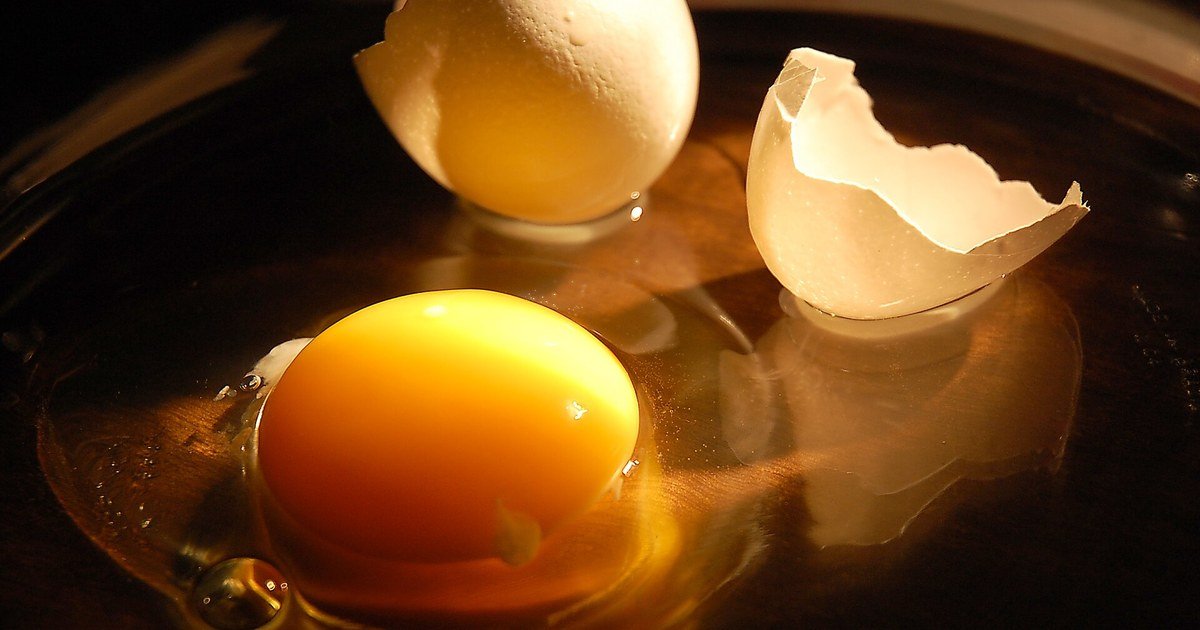
Photo: Sauvagette / Wikimedia Commons · CC BY-SA 4.0
A raw egg with a broken shell; not from the batches in the alert. Reference photo: Sauvagette / Wikimedia Commons (CC BY-SA 4.0).
The Spanish Agency for Food Safety and Nutrition (AESAN) warned of the possible presence of Salmonella Enteritidis in Eroski-brand eggs and asked anyone who has them at home not to eat them.
The same day, the Basque Government’s Health Department confirmed four cases of salmonellosis.
Which eggs are affected
According to AESAN, the product is Eroski “Huevos frescos de gallinas sueltas en el gallinero” (fresh eggs from barn hens), sizes M, L and XL, in packs of half a dozen, a dozen and a dozen and a half, batch 0222F, with best-before dates between November 22 and December 1, 2026. The agency says the shell carries the code 2ES4803810.
Initial distribution was to Andalusia, Castilla-La Mancha, Castilla y León, La Rioja, Navarre, Madrid, Murcia and the Basque Country, though AESAN does not rule out redistribution to other regions.
The cases and what Eroski says
RTVE reported that all four cases are household cases, in people who ate food made with these eggs; two required hospital admission and one has already been discharged. Health officials are running genomic sequencing to confirm the link with the food, and results will take time.
Eroski said it pulled the products on November 17 as a precaution, after a positive salmonella result in an environmental check (hen droppings) at one of the producer’s sheds. It added that, as of that date, no salmonella had been found in the eggs tested, and that since November 5 it has sourced eggs from another farm. It offers refunds in its stores.
What to do
Check the pack and the shell. If they match, don’t eat them and wash your hands after touching them. AESAN advises that if you ate them and have diarrhea or vomiting with fever and headache, you should go to a health center. If in doubt, talk to your doctor.
Read also: Alerta en Costa Rica por un lote de agua embotellada Nimbu · Retiran un lote de propranolol: qué hacer si lo tomas
Sources
- AESAN: Alerta por posible presencia de Salmonella Enteritidis en huevos procedentes de España, Ref. ES2026/711 (20 nov 2026)
- AESAN: Ampliación de información sobre la alerta ES2026/711 (20 nov 2026)
- RTVE: Cuatro casos de salmonelosis en el País Vasco por el consumo de huevos de la marca Eroski (20 nov 2026)
For information only. It does not replace advice from a health professional. Medical disclaimer