Almonds or peanuts? Which helps more to control cholesterol, according to their nutrients (and the detail that can ruin the benefit)
Almonds have a bit more fiber and less saturated fat; peanuts have more phytosterols, compounds that reduce the absorption of LDL cholesterol. There is no absolute winner: what matters most is the portion, the preparation and what they replace in your diet.
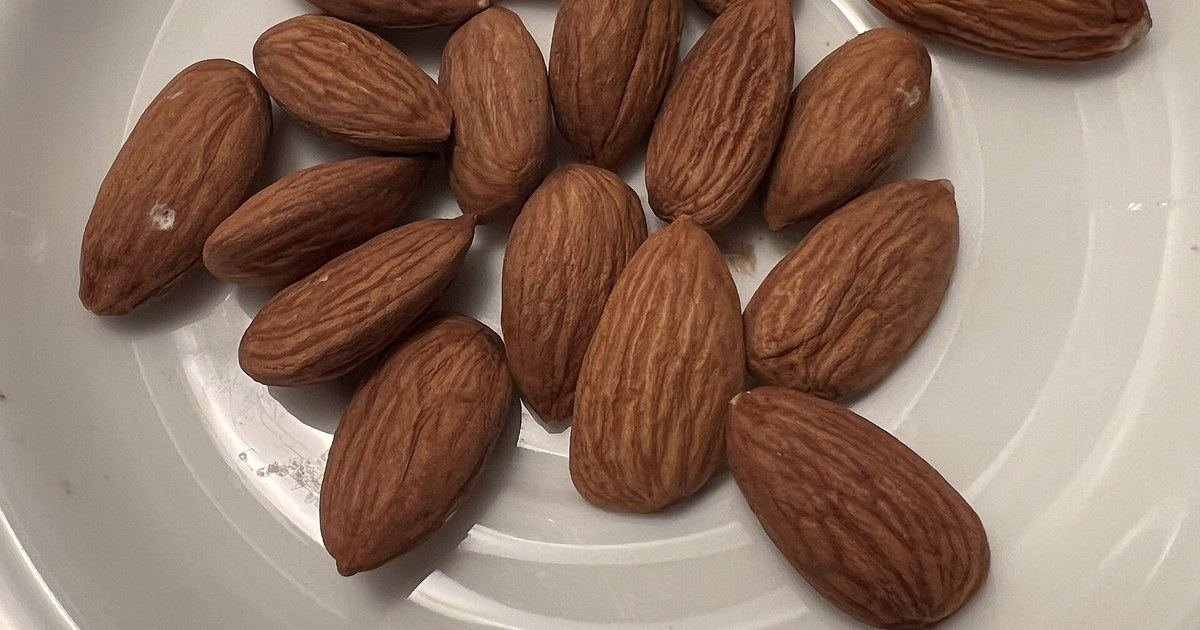
Photo: HaJunkiyada / Wikimedia Commons · CC BY-SA 4.0
Raw almonds in a bowl. Reference photo: HaJunkiyada / Wikimedia Commons (CC BY-SA 4.0).
At breakfast or as a snack, almonds and peanuts often compete for the same spot. Both can help care for cholesterol, but they don't provide exactly the same thing, according to an analysis published by Infobae on November 13 based on nutrition data compiled by Verywell Health.
The short answer: there is no absolute winner.
What each one wins, in a 28-gram handful
- Fiber: almonds 3.1 g versus 2.4 g for peanuts. Soluble fiber helps remove some cholesterol.
- Unsaturated fats: almonds 12.1 g versus 10.2 g for peanuts.
- Saturated fats: almonds 1.2 g versus 2.2 g for peanuts.
- Phytosterols: here peanuts win, with about 0.62 g versus 0.39 g for almonds. These plant compounds resemble cholesterol and reduce its absorption in the gut; a daily intake of 1 to 2 grams can lower LDL cholesterol by up to 10%, according to the information cited.
Neither contains cholesterol, and both provide protein and minerals. A curious fact: the peanut is actually a legume, not a nut.
In short, according to Infobae, almonds have a slight edge for their fiber and unsaturated fats, while peanuts stand out for their phytosterols. The differences are small, so the best choice is usually the one you can include consistently without going over the portion.
What the studies say
In the ATTIS study, a clinical trial published in the American Journal of Clinical Nutrition in 2020, healthy adults who replaced their usual snacks with whole almonds for six weeks lowered their LDL cholesterol, with no changes in body composition. For peanuts, a meta-analysis linked them to lower cholesterol levels, although it also recorded slight weight gain in some participants, Infobae notes.
The detail that can ruin the benefit
Both options are very high in calories, so portion matters: about 28 grams, a small handful (about 22 almonds). And preparation changes everything: fried, salted peanuts or almonds coated in sugar or chocolate add sodium, sugars and calories.
Ideally, choose them natural or dry-roasted without salt, and use them to replace ultra-processed foods, fried foods or pastries, not on top of them. Alternating both lets you get the best of each. A handful can top a plain yogurt, a salad or whole-grain toast. Eating straight from a large bag, on the other hand, makes it easy to lose count. MedlinePlus notes that a diet lower in saturated fat, physical activity and weight control are the foundation for managing cholesterol.
If you have high cholesterol, diabetes, heart disease or a nut or peanut allergy, talk to your doctor or a dietitian before making major changes to your diet.
Read also: El IMC puede fallar: la nueva forma de diagnosticar obesidad · Diabetes tipo 2 en jóvenes: lo que logró una dieta supervisada
Sources
For information only. It does not replace advice from a health professional. Medical disclaimer