Cervical cancer: today is the world day to eliminate it, and this is WHO's “90-70-90” goal
Every November 17 is a reminder that this cancer is almost entirely preventable. WHO estimates 604,000 new cases and 280,000 deaths in 2024; HPV vaccination and screening are the two main tools.
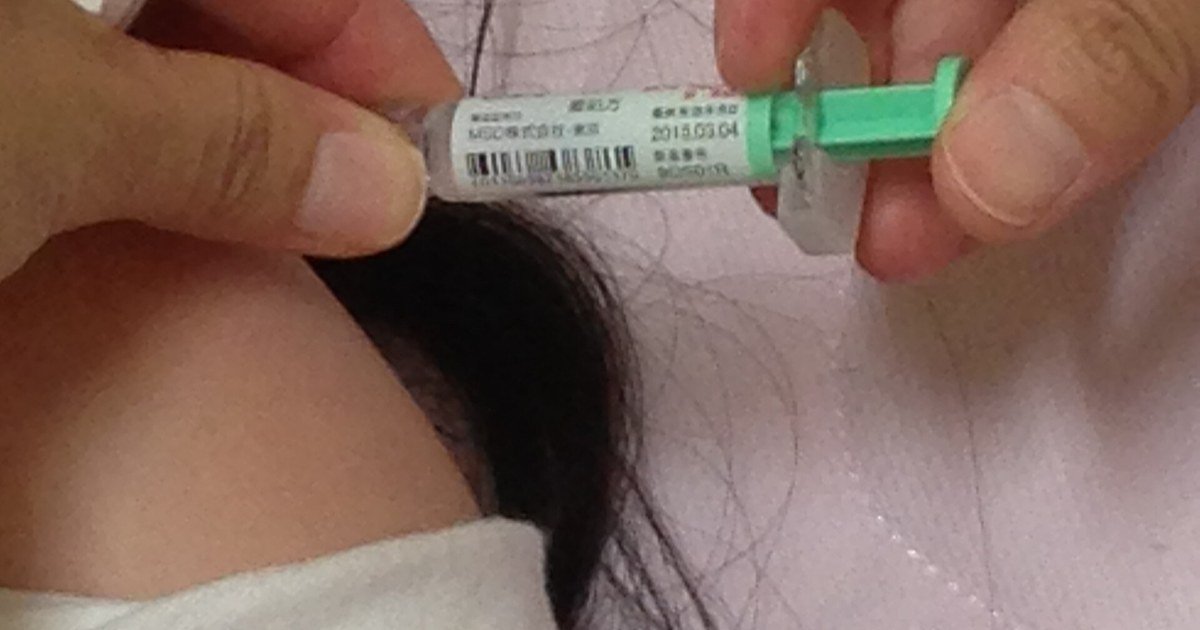
Photo: melvil / Wikimedia Commons · CC BY-SA 4.0
An HPV vaccine being given in Japan. Reference photo: melvil / Wikimedia Commons (CC BY-SA 4.0).
November 17 is the world day of action for the elimination of cervical cancer. According to the World Health Organization (WHO), it is the fifth most commonly diagnosed cancer in women: in 2024 there were about 604,000 new cases and 280,000 deaths.
And yet it is one of the most preventable cancers.
A very common virus
WHO explains that about 95% of cases are caused by persistent infection with the human papillomavirus (HPV), a very common sexually transmitted infection: most sexually active people get it at some point, usually without symptoms. If the infection persists it can cause precancerous lesions, which take years to turn into cancer.
Women living with HIV are six times more likely to develop it. The highest rates are in low- and middle-income countries, because of unequal access to vaccines, screening and treatment.
In Argentina, according to Globocan data cited by Infobae, it is the third most common cancer in women, with an estimated 4,679 cases in 2024. Infobae also notes it often progresses without symptoms in its early stages.
The 90-70-90 goal
WHO asks countries to reach these targets on the path to elimination:
- 90% of girls fully vaccinated against HPV by age 15 (the vaccine is recommended at ages 9 to 14).
- 70% of women screened at ages 35 and 45.
- 90% of women with precancerous lesions or cancer properly treated.
WHO recommends screening from age 30 for the general population (from 25 for women living with HIV). Found early and treated well, this cancer can be cured.
If you have bleeding between periods, after sex or after menopause, or questions about when to get screened, talk to your doctor.
Read also: Lo que dice la OMS sobre beber y el cáncer · Cáncer de próstata: la nueva guía del PSA
Sources
For information only. It does not replace advice from a health professional. Medical disclaimer