Dengue in Peru: ICU beds 86% full and northern hospitals out of space; the warning signs you should not ignore
Peru's Health Ministry declared an emergency over intensive care bed availability: of 1,183 beds, only 159 were free, and Áncash and Lambayeque reached 100%. The country has about 122,000 dengue cases.
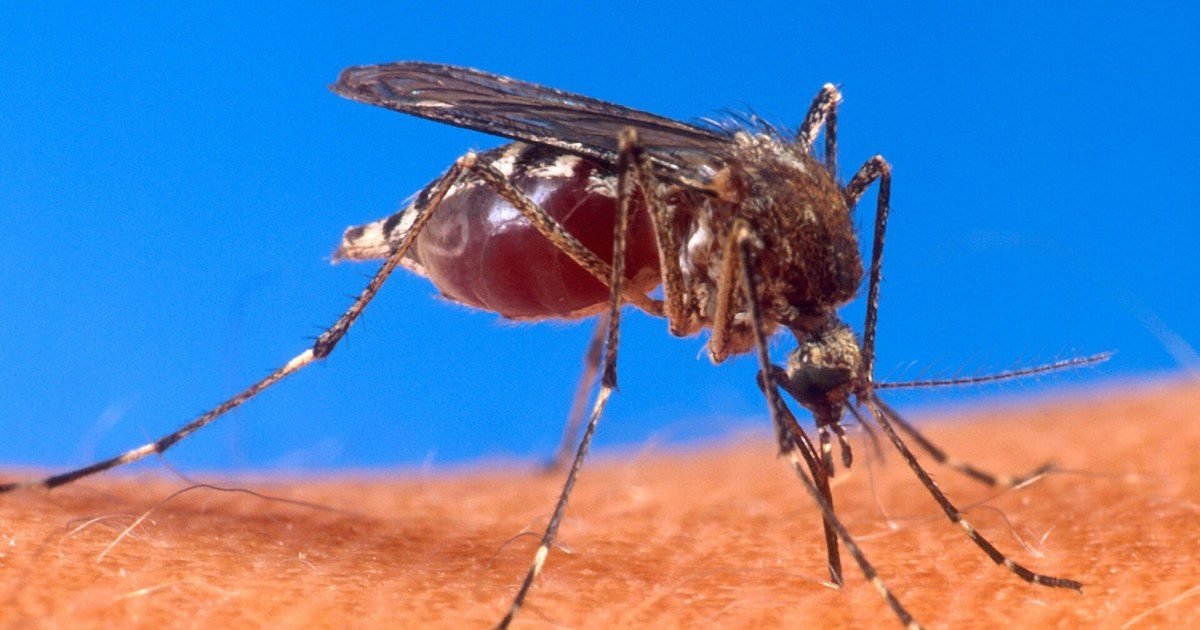
Photo: Wikimedia Commons · Public domain
An Aedes aegypti mosquito, which transmits dengue, biting a person's skin. Reference photo: US Department of Agriculture / Wikimedia Commons (Public domain).
Peru's hospitals are running out of room. The Health Ministry (Minsa) declared an emergency over the availability of intensive care unit (ICU) beds after minister Luis Dyer reported that 86% of them were occupied, in the middle of a dengue wave in the north of the country.
According to the report presented on November 25, the country has 1,183 ICU beds: 1,024 were occupied and only 159 were available, La República and Infobae reported.
Áncash and Lambayeque, without a single free bed
The minister confirmed that Áncash and Lambayeque reached 100% occupancy of their ICU beds, so transfers to Lima of patients needing critical care have already begun. According to Minsa data shared by analyst Juan Carbajal and cited by Infobae, Lambayeque had all 42 of its beds occupied and Áncash all 26; Piura was at 90.2% and La Libertad at 92.1%.
Minsa stresses that the strain is not only due to dengue: 21 dengue patients were in ICU beds, 1.8% of the total; the rest are patients with other illnesses. Even so, every serious emergency competes for the same beds. The ministry is working with EsSalud and the Armed Forces to add beds and is preparing an agreement with private clinics.
How many cases there are
Minsa reported 122,000 dengue cases in 2026 and 117 confirmed deaths; 113,000 people have already been discharged and 110,000 have been vaccinated. The minister announced the arrival of 1.1 million more doses for priority districts. Death figures vary by source because some cases are still under investigation: Infobae cites 170, confirmed plus under review, as of November 24.
Public health specialist Marco Almerí described the situation as a "red spot." "We have no beds in emergency, we have no beds in hospitalization, we have no ICU beds," he told DNews, according to Infobae. He warned that some mild or moderate patients are being sent home for lack of space.
The warning signs
Most people with dengue recover at home, but the WHO explains that the illness can get worse just as the fever goes down. Go to a health facility right away if any of these signs appear:
- Severe abdominal pain or persistent vomiting.
- Bleeding gums or nose, or blood in vomit or stool.
- Rapid breathing, intense thirst, pale and cold skin.
- Extreme tiredness, restlessness or drowsiness.
For fever and pain, the WHO recommends paracetamol (acetaminophen) and avoiding anti-inflammatories such as ibuprofen or aspirin, which increase the risk of bleeding. Drink plenty of fluids and rest. Get rid of standing water in buckets, tires and vases, and use repellent. If you have symptoms, see your doctor: don't wait until you feel worse.
Read also: Muere por dengue una gestante de 32 semanas en Áncash · El Niño, el dengue y la vacuna gratuita en Perú
Sources
- Infobae: Minsa declara en emergencia las camas UCI ante una ocupación nacional de 86 % (25 nov 2026)
- Minsa: pacientes con dengue ocupan menos del 2 % de las camas UCI del país (26 nov 2026)
- Infobae: Dengue en Perú: advierten que la falta de camas agrava la emergencia (27 nov 2026)
- OMS: Dengue y dengue grave (nota descriptiva)
For information only. It does not replace advice from a health professional. Medical disclaimer