Dengue in Yucatán: seven deaths still under investigation and Ticul is now an epidemic zone
The state has 123 confirmed cases as of November 9. Of 17 probable deaths reported this year, ten were ruled out and seven remain unconfirmed. WHO explains which symptoms need immediate care.
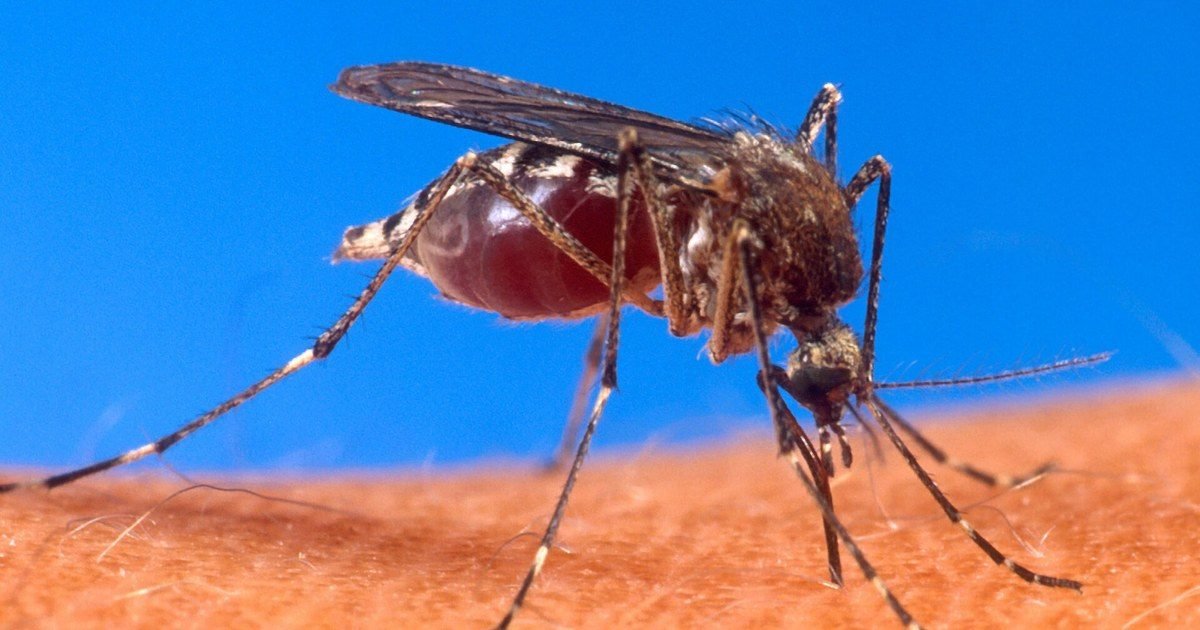
Photo: Wikimedia Commons · Public domain
Aedes aegypti mosquito, which transmits dengue. Reference photo: US Department of Agriculture / Wikimedia Commons (Public domain).
Yucatán has 123 confirmed dengue cases in 2026, according to the federal epidemiological report through November 9 cited by Azteca Yucatán and Por Esto!. In the last week alone, 12 new infections were added.
The cases aren't the only worry.
Seven unconfirmed deaths
Of the 17 probable deaths reported this year, ten were ruled out and seven remain under investigation: it has not yet been confirmed or ruled out that dengue caused them.
Ticul accounts for 30 infections and was classified as an epidemic zone; 27 are non-severe dengue and three are dengue with warning signs. The municipality of Quintana Roo also remains an epidemic zone, while Calotmul and Buctzotz are in the alarm zone. Mérida, with 85 of the 123 cases, is listed in the safety zone.
The signs you shouldn't ignore
The World Health Organization (WHO) explains that most people with dengue have no symptoms or recover in one or two weeks. When symptoms do appear, they show up 4 to 10 days after the bite: high fever, severe headache, pain behind the eyes, muscle and joint pain, nausea, vomiting and rash.
The key fact: symptoms of severe dengue often appear after the fever goes away. According to WHO, the following require immediate care: severe abdominal pain, persistent vomiting, rapid breathing, bleeding gums or nose, blood in vomit or stools, intense thirst, pale and cold skin, tiredness, restlessness and general weakness.
How to protect yourself
There is no specific treatment. WHO says pain is usually relieved with paracetamol and that ibuprofen and aspirin should be avoided because they increase the risk of bleeding. The mosquitoes that spread dengue bite during the day: use repellent, wear clothes that cover your skin and get rid of containers with standing water. If you have a fever in an outbreak area, see your doctor and don't self-medicate.
Read also: Dengue y lluvias: cómo protegerte · Estados Unidos pierde su estatus de país libre de sarampión
Sources
For information only. It does not replace advice from a health professional. Medical disclaimer