Argentina detects the PJ.2.1 COVID variant in two babies and an adult: what the WHO says
Scientists at the National University of La Plata sequenced the country’s first three cases, all hospitalized. The WHO has monitored the variant since November 19 and rates its additional risk as low.
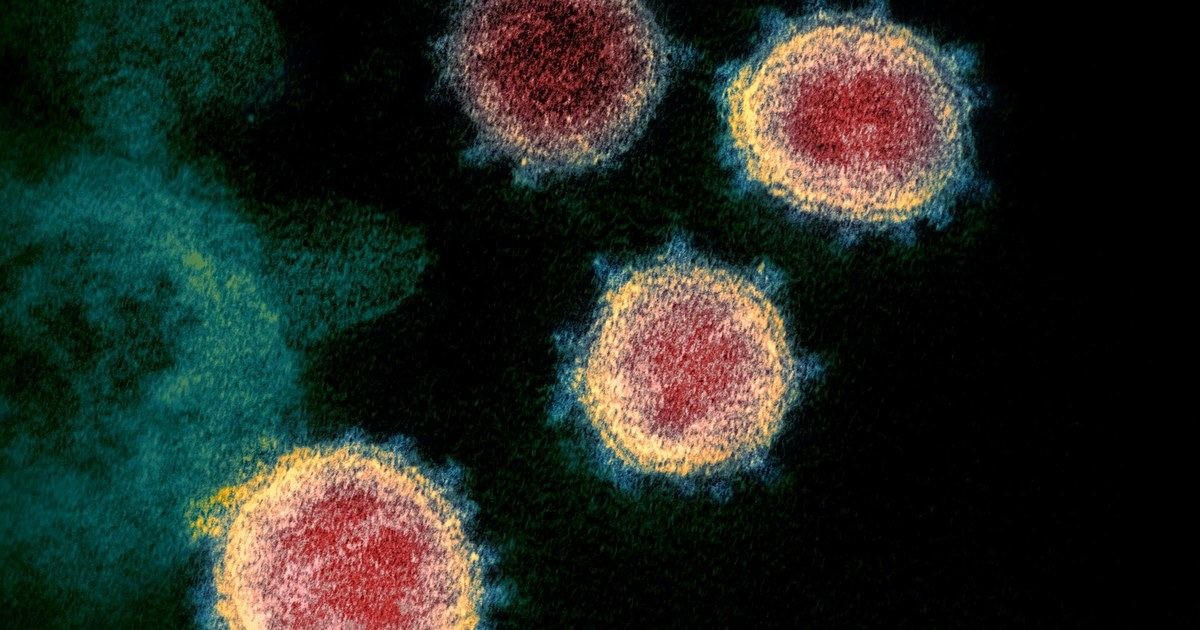
Photo: NIAID-RML / Wikimedia Commons · CC BY 2.0
Microscope image of the SARS-CoV-2 virus. File photo: NIAID-RML / Wikimedia Commons (CC BY 2.0).
Scientists at the National University of La Plata (UNLP) detected Argentina’s first cases of PJ.2.1, a coronavirus variant descended from JN.1 (Omicron) that the WHO has designated a variant under monitoring.
All three cases were hospitalized patients.
The cases in Argentina
According to the UNLP, the Public Health, Genomics and Molecular Diagnostics Laboratory of the Faculty of Exact Sciences sequenced three samples from patients hospitalized in Buenos Aires province: two babies aged one and two months and a 58-year-old adult. All three were positive for PJ.2.1.
The university says its prevalence is rising worldwide, driven mostly by detections in Canada and the United States, and that cases have also been recorded in Brazil in recent days.
What the WHO says
In its November 19 evaluation, the WHO considers the additional risk to global public health to be low, though with low confidence in that estimate. It notes that in the lab the variant shows stronger binding to the ACE2 receptor, which could favor transmission, and that comparative clinical data are insufficient to know whether it causes more severe illness.
It also says that in lab tests, sera from people vaccinated with formulas adapted to LP.8.1 and XFG neutralized PJ.2.1.
Symptoms and care
The UNLP describes symptoms similar to a cold or flu: fever, cough, sore throat and runny nose. Researcher Mariana Viegas recommended keeping vaccinations up to date and taking extra care with people at higher risk of complications; she noted that babies under six months carry their mother’s antibodies.
If you have symptoms, especially if you are older, pregnant or caring for a baby, talk to your doctor.
Read also: El sarampión en EE. UU. supera los 5.800 casos · Un neurólogo advierte sobre algunos antigripales
Sources
For information only. It does not replace advice from a health professional. Medical disclaimer