World Diabetes Day: more than 4 in 10 people who have diabetes don't know it, WHO warns (the 4 signs you shouldn't ignore)
This November 14, WHO is focusing on early diagnosis: type 2 diabetes can progress for years with few or no symptoms. In the Americas, 112 million adults live with the disease, according to PAHO.
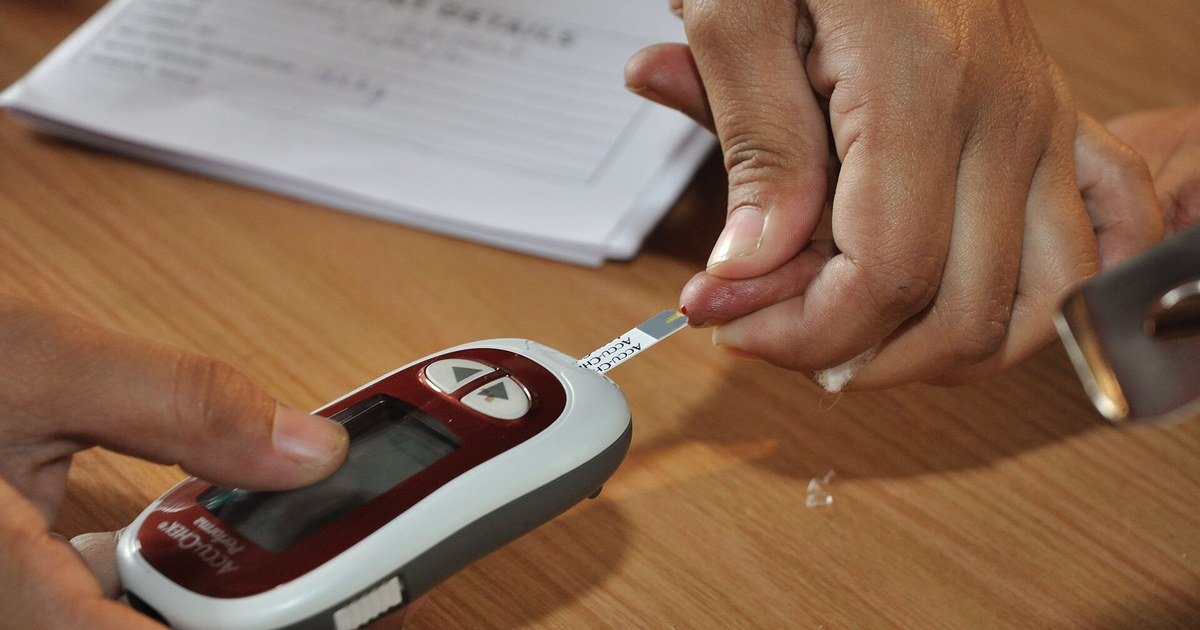
Photo: Biswarup Ganguly / Wikimedia Commons · CC BY 3.0
A person checks their blood sugar with a glucose meter. Reference photo: Biswarup Ganguly / Wikimedia Commons (CC BY 3.0).
Today, November 14, is World Diabetes Day, and the World Health Organization (WHO) chose an uncomfortable message: more than 40% of people living with diabetes worldwide don't know they have it. Without a diagnosis, they don't get the treatment and support they need.
This year's theme is "Early action on diabetes."
Why so many people don't find out
WHO explains that type 1 diabetes often develops quickly, while type 2, the most common form, develops gradually and may cause few or no noticeable symptoms. That's why many people find out late, sometimes only when complications have already appeared.
WHO also warns that type 1 diabetes can develop at any age and is often missed or misdiagnosed, especially in adults.
The signs WHO says not to ignore
According to WHO's campaign, the most common symptoms are:
- Increased thirst.
- Frequent urination.
- Tiredness.
- Blurred vision.
WHO's Western Pacific regional office adds unexplained weight loss and recommends seeking medical advice if any of these signs appear. Having no symptoms, however, doesn't rule out the disease: the way to know is a blood test ordered by your doctor.
What's happening in Latin America
The Pan American Health Organization (PAHO) reported on November 12 that in the Americas 112 million adults live with diabetes, about 13% of the adult population, and that 43 million people aged 30 or older with the disease receive no treatment. Diabetes is among the leading causes of death and disability in the region.
WHO member states have set a goal for 2030: at least 80% of people with diabetes should be diagnosed.
WHO also calls for fighting stigma: no one should feel ashamed of having diabetes, and the words we use matter. Blaming someone for their diagnosis only makes more people avoid getting tested.
MedlinePlus notes that type 1 diabetes cannot be prevented, but that it is possible to delay or prevent type 2 with lifestyle changes: a healthy diet, keeping a healthy weight and exercising regularly.
If you have any of these risk factors, or any of the signs described, don't put it off: talk to your doctor and ask whether you should have a blood glucose test.
Read also: Diabetes tipo 2 en jóvenes: lo que logró una dieta supervisada · El IMC puede fallar: la nueva forma de diagnosticar obesidad
Sources
For information only. It does not replace advice from a health professional. Medical disclaimer