World COPD Day: the world's third leading cause of death that many mistake for a “smoker's cough”
November 18 marks World COPD Day. According to the WHO, chronic obstructive pulmonary disease caused 3.4 million deaths in 2023, and in Colombia alone it was linked to 17,560 deaths in 2025. A simple test, spirometry, confirms the diagnosis.
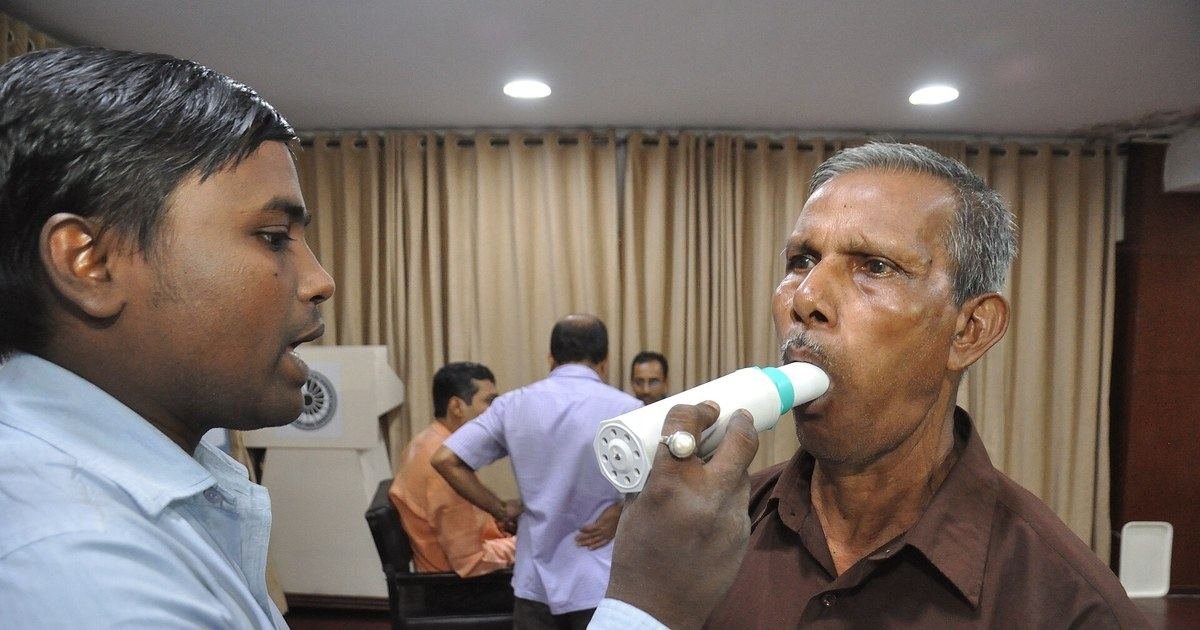
Photo: Biswarup Ganguly / Wikimedia Commons · CC BY 3.0
A man takes a spirometry test at a health camp in Kolkata, India. Reference photo: Biswarup Ganguly / Wikimedia Commons (CC BY 3.0).
This Wednesday, November 18, is World COPD Day, dedicated to chronic obstructive pulmonary disease. According to the World Health Organization (WHO), it is the third leading cause of death worldwide: in 2023 it caused 3.4 million deaths, about 6% of the total.
The most worrying part is that many people have it and don't know it.
What it is and how it shows up
The WHO explains that COPD is a common lung disease that reduces airflow and causes breathing problems. It is sometimes called “emphysema” or “chronic bronchitis”. Its most common symptoms are shortness of breath, a chronic cough (sometimes with phlegm) and tiredness, and they usually appear from middle age.
The most common causes are tobacco smoking and air pollution. In high-income countries, tobacco accounts for more than 70% of cases; in low- and middle-income countries, 30% to 40%, and household smoke — from cooking or heating with wood or charcoal — is a major risk factor. Almost 90% of COPD deaths in people under 70 occur in these countries.
The problem of late diagnosis
In Colombia, the Ministry of Health said at the National COPD Forum that the disease was linked to 17,560 deaths in 2025, and warned that some patients only seek care once the disease has already severely limited their breathing and independence, according to Infobae and Caracol Radio. The ministry urged doctors to ask from the first visit about smoking, exposure to wood smoke and recurring cough or breathlessness.
The diagnosis is confirmed with spirometry, a test that measures how well the lungs work. The WHO notes that in many low- and middle-income countries this test is not available, so the disease goes undiagnosed.
No cure, but it can get better
COPD has no cure, but according to the WHO it can improve by not smoking, avoiding polluted air and keeping up with vaccines to prevent infections. It is treated with inhalers that open the airways, oxygen and pulmonary rehabilitation.
If you cough or bring up phlegm almost every day, get short of breath doing things you used to do easily, or smoke or have smoked for years, talk to your doctor and ask whether you need a spirometry test.
Read also: Día Mundial de la Diabetes: 4 de cada 10 no saben que la tienen · Lo que dice la OMS sobre beber y el cáncer
Sources
For information only. It does not replace advice from a health professional. Medical disclaimer