Does your BMI say you have obesity... or that you don't? A study of 844,000 adults shows it can be wrong and proposes measuring the waist too
Published in Nature, the analysis of cohorts from China, the UK, the US and Spain found that using body mass index alone missed obesity in 5.2% to 8.6% of people and overdiagnosed it in others. The new definition also distinguishes between clinical and preclinical obesity.
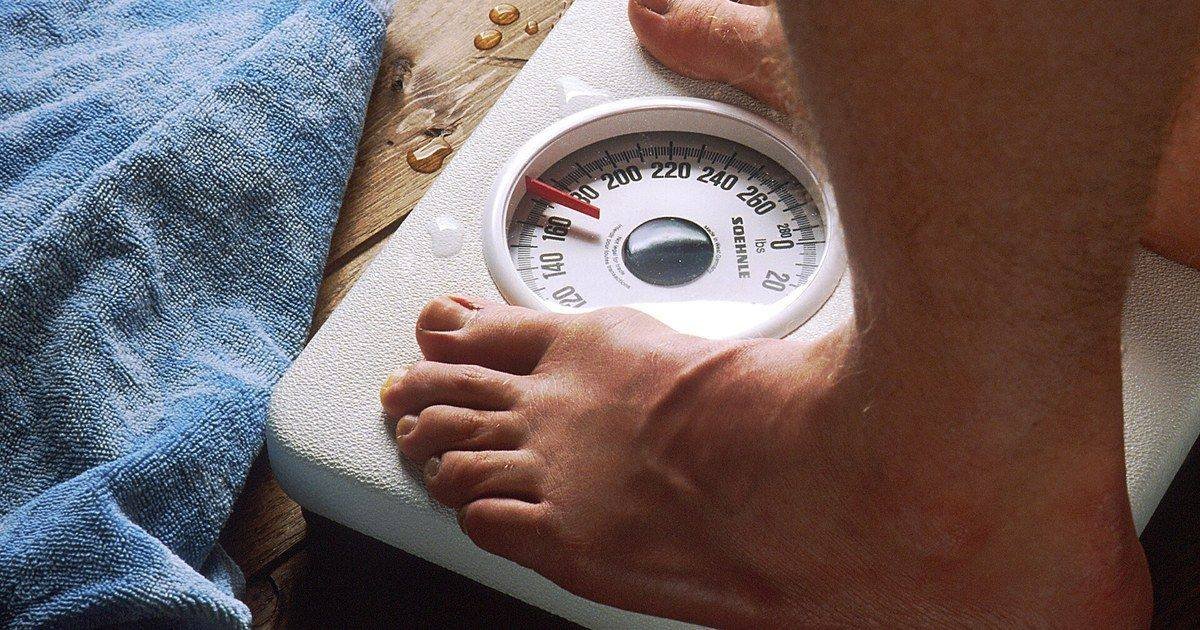
Photo: Wikimedia Commons · Public domain
Feet on a bathroom scale; not a participant in the study. Reference photo: Bill Branson, National Cancer Institute / Wikimedia Commons (Public domain).
For decades the sum has been simple: weight in kilograms divided by height squared. If the result, the body mass index (BMI), is 30 or more, the person is usually classified as having obesity. But a large study published in Nature confirms what many doctors suspected: used alone, BMI is often wrong, Infobae reported on November 12.
And the error goes both ways.
What the study found
The researchers, including Francesco Rubino of King's College London, analysed data from 844,108 adults in cohorts from China, the UK, the United States and Spain, followed for up to 15 years.
According to the paper, BMI alone underestimated obesity in 5.2% to 8.6% of participants (people with harmful abdominal fat who did not show up as obese) and overestimated it in 1.2% to 3.1% (for example, people with a lot of muscle).
BMI does not distinguish fat from muscle or say where fat is stored, and fat around the abdomen is the kind most linked to metabolic problems.
The waist joins the diagnosis
The study validated the definition proposed in 2025 by a commission of The Lancet Diabetes & Endocrinology. As a first step, it adds two measurements to BMI: waist circumference and waist-to-height ratio. According to Infobae:
- A BMI above 40 is enough to define obesity.
- A BMI above 30 with a high waist circumference or a high waist-to-height ratio can indicate obesity.
- A BMI of 25 to 29.9 can also indicate it if both measurements are above reference values.
In most countries, a high waist means more than 102 cm in men and more than 88 cm in women.
Clinical and preclinical obesity
The second step distinguishes clinical obesity, when excess fat already affects how organs or tissues work (for example, with heart failure or sleep apnoea), from preclinical obesity, when there is excess fat without detectable damage.
Clinical obesity was associated with a 69% higher risk of death from any cause compared with the reference group; in preclinical obesity the increase was more moderate. Between 77% and 91% of people with preclinical obesity did not progress to clinical obesity over the next ten years. And people who were "obese" by BMI only, without meeting the new criteria, showed no higher risk of death than people without overweight.
The new definition raised the overall prevalence of obesity by 3.3% to 7.4%. Rubino said more precise diagnosis can change who receives treatment and who does not.
BMI remains useful as a first screen, but not as the only measure. If you are worried about your weight or waist, talk to your doctor: an individual diagnosis is the basis for deciding whether to change habits, monitor or start treatment.
Read also: Diabetes tipo 2 en jóvenes: la dieta con ejercicio supervisado que logró la remisión · El "ejercicio incidental" que podría compensar parte del daño de estar sentado
Sources
For information only. It does not replace advice from a health professional. Medical disclaimer