Is it risky to share a towel? What the CDC and the NHS say (and when it's best not to)
Sharing a towel does not by itself cause an infection, but the risk goes up if it stays damp, if there are cuts on the skin or if someone has an infection. The CDC advises not sharing personal items such as towels and razors.
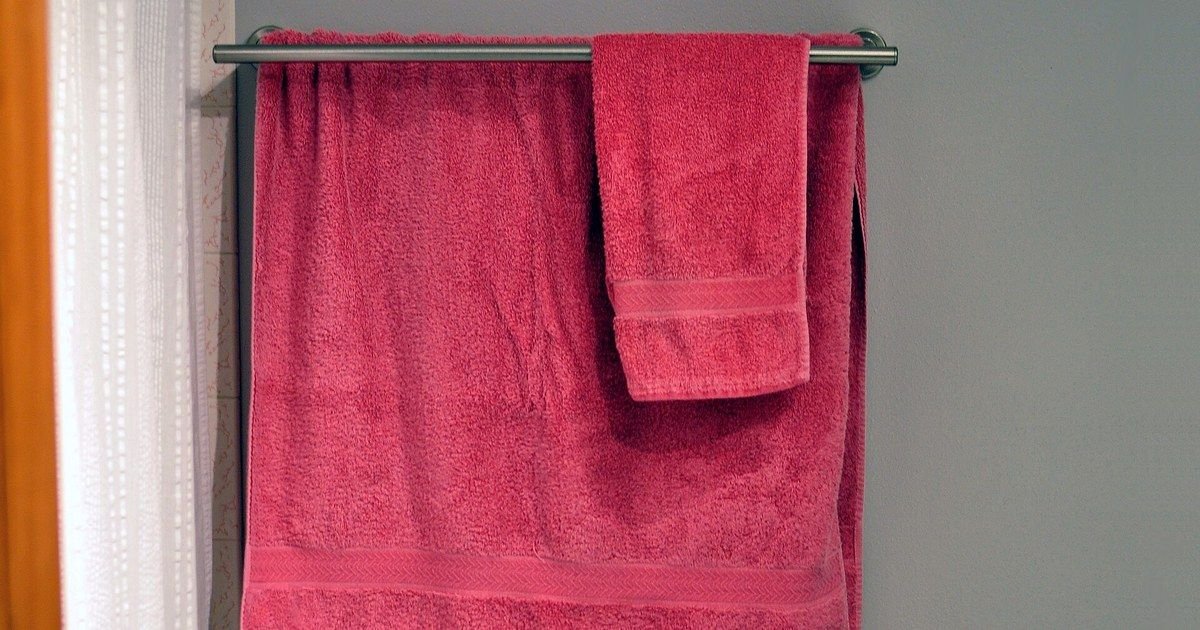
Photo: Jessica F. / Wikimedia Commons · CC BY 2.5
Towels hanging on a rail. Reference photo: Jessica F / Wikimedia Commons (CC BY 2.5).
Does anything happen if we share a towel at home? On Tuesday, November 17, Infobae reviewed what microbiologists and health authorities say, and the short answer is: usually not, but it depends.
A towel collects skin cells, moisture and microbes from whoever uses it. Most of them do not cause disease.
When there is a risk
Microbiome expert Jack Gilbert, of the University of California San Diego, quoted by Infobae, said the chance of a serious infection from sharing a towel is very low in normal conditions. But in some situations it pays to be more careful:
- Cuts or scrapes. The U.S. CDC warns that MRSA (methicillin-resistant staph) can survive on surfaces, including towels, and cause an infection if it gets into a cut. That is why it advises not sharing personal items such as towels and razors, especially at gyms and in contact sports.
- Fungal infections. The UK's NHS says ringworm can spread through items such as towels, combs and bedding, and recommends not sharing them with someone who has it. For athlete's foot, it advises drying well between the toes and using a separate towel.
- Weakened immunity. People with a weakened immune system should always use their own towel, according to the experts consulted.
How to look after your towels
Moisture is the main enemy: it helps bacteria and fungi grow and causes that musty smell. It is best to hang it open on a rail after each use, not leave it bunched up on the floor or in a closed hamper.
Microbiologist Jason Tetro, quoted by Infobae, suggests washing towels above 60 °C (140 °F) and drying them with heat. If only one person uses it, a weekly wash may be enough; if several people share it or it is slow to dry, wash it more often.
If you notice redness, pain, warmth, swelling or discharge on your skin, talk to your doctor.
Read also: La fibra que tiras a la basura · Duchas frías y menos días de enfermedad
Sources
For information only. It does not replace advice from a health professional. Medical disclaimer