Hantavirus in Chile: Biobío has six cases and two deaths, and the national fatality rate reaches 40%
With 58 cases and 23 deaths nationwide, Biobío health authorities are stepping up prevention ahead of summer. Cleaning a shed or opening a closed-up house can also expose people to the virus.
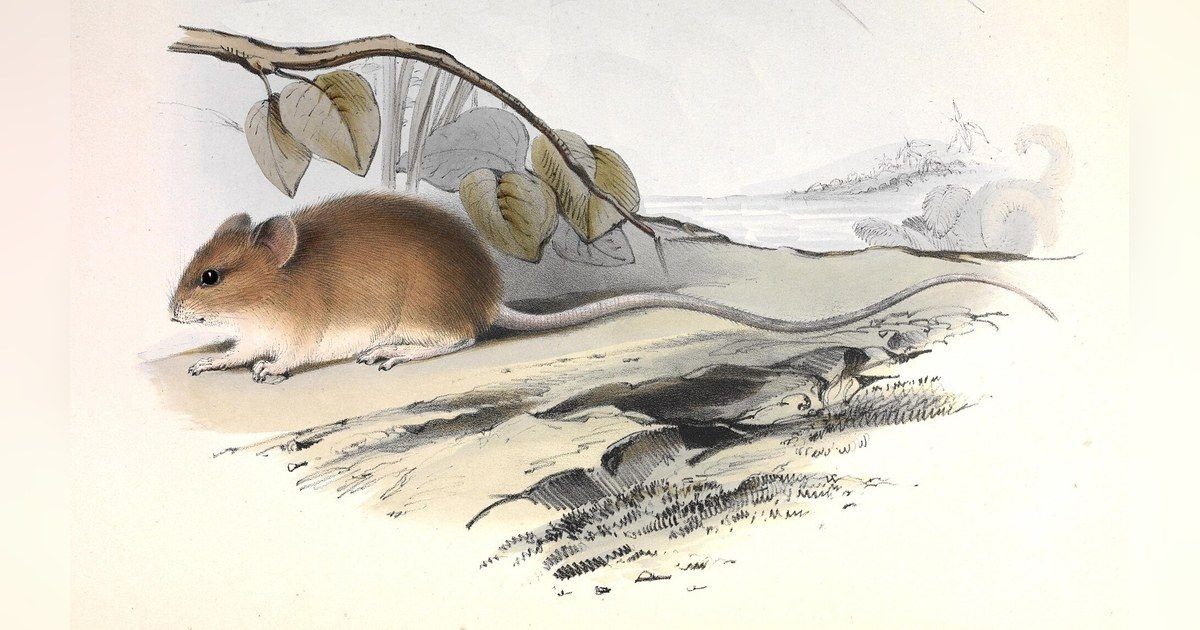
Photo: Wikimedia Commons · Public domain
Illustration of the long-tailed pygmy rice rat (Oligoryzomys longicaudatus), the main hantavirus reservoir in Chile. File photo: Elizabeth Gould / John Gould (Darwin, Zoology of the Beagle) / Wikimedia Commons (Public domain).
Health authorities in Chile’s Biobío region are stepping up their plan against hantavirus as summer approaches: the region has six cases and two deaths this year, according to the newspaper La Tribuna, citing the Health Ministry (Minsal) bulletin.
The national figure is even more worrying.
The numbers
Minsal’s epidemiological bulletin confirms 58 cases and 23 deaths in 2026, a 40% fatality rate. In 2025 there were 44 infections and eight deaths (18%). The Biobío deaths occurred in Alto Biobío, where a 12-year-old boy died in February, and in Penco. (On November 18, Diario Concepción cited regional authorities with five cases and three deaths; counts vary by date and by how the region is assigned.)
Since July 28, a preventive health alert has been in force for the first time from Atacama to Magallanes, until July 2027. Cases usually rise from October.
How it spreads
The virus is spread mainly by breathing in particles of urine, saliva or droppings from infected wild rodents such as the long-tailed pygmy rice rat. Regional zoonosis coordinator Rodrigo Flores told La Tribuna that recreation is not the only exposure: so is cleaning a shed, stacking firewood, clearing weeds or opening a house closed all winter.
How to protect yourself
The US CDC recommends airing out closed spaces for 30 minutes before cleaning, not sweeping or vacuuming dry droppings, soaking droppings and nests with a bleach solution before removing them, and wearing gloves. Early symptoms (fever, muscle aches, fatigue) resemble flu and can appear up to eight weeks after exposure. If you have them after being in a rural area or a closed space with rodents, see your doctor and mention that exposure.
Read also: La OPS alerta que los antibióticos de último recurso funcionan cada vez menos · El sarampión en EE. UU. supera los 5.800 casos
Sources
For information only. It does not replace advice from a health professional. Medical disclaimer