Damp and mold at home: why they appear in the fall and how to really get rid of them
Black spots in the corners, a musty smell, windows that "weep" in the morning. Cold weather brings condensation, and condensation brings mold. Here's how to remove it safely and, above all, how to stop it coming back.
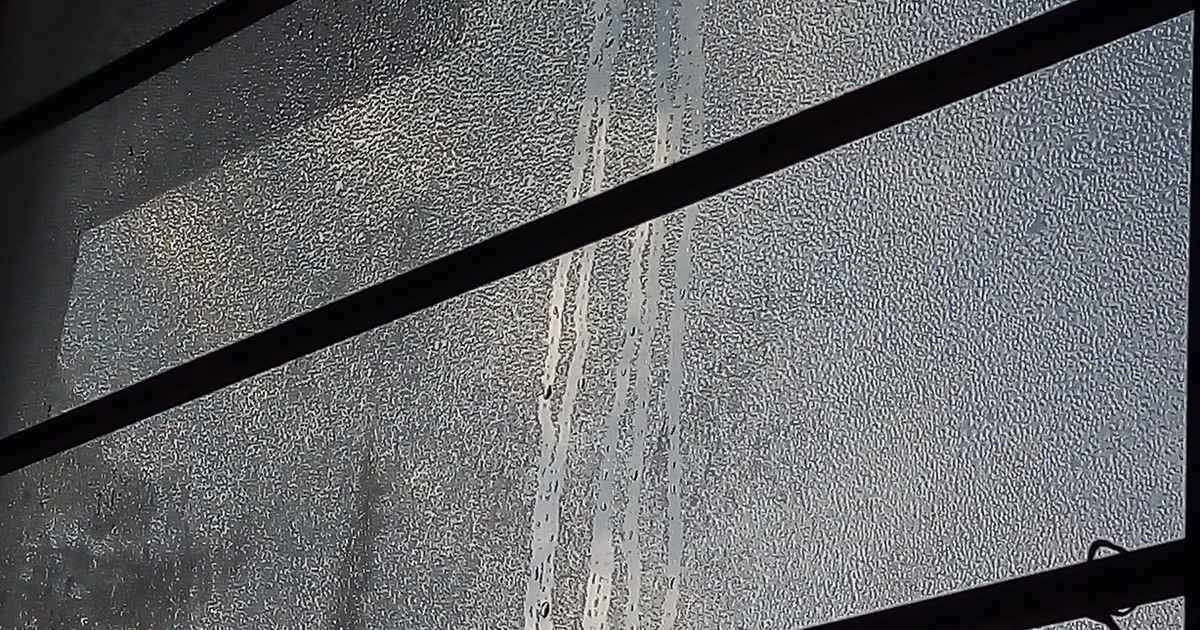
Photo: Wikimedia Commons · Public domain
Fall arrives, we close the windows, turn on the heating, dry laundry indoors... and one day those little black spots appear in the corner of the bathroom ceiling or behind the wardrobe. Mold is one of the most common household problems, and although it may look like a purely cosmetic issue, it also affects health: the World Health Organization links indoor damp and mold to more respiratory symptoms, asthma and allergies.
Why it appears
Mold is a fungus that needs just three things: moisture, a surface to grow on and some organic material (dust, paint, wallpaper, wood). At home, moisture usually has one of three sources:
- Condensation: the most common. Warm, humid indoor air meets a cold surface (windows, exterior walls, corners) and the vapor turns into droplets. That's why it gets worse in fall and winter.
- Leaks: roof leaks, dripping pipes, worn window seals.
- Rising damp: on ground floors, moisture from the soil climbs up the walls.
A family of four can produce more than 10 liters of water vapor a day just by breathing, cooking, showering and drying clothes. If that vapor has nowhere to go, it ends up on the walls.
How to tell what kind of damp you have
A simple trick: tape a piece of aluminum foil to the affected wall and leave it for 24 hours. If droplets form on the outer side of the foil, it's condensation from the room. If the moisture is on the side touching the wall, it's coming from the wall itself (a leak or rising damp), and you'll probably need a professional.
How to remove mold safely
If the patch is small (under about one square meter, roughly 10 square feet) and on a smooth surface, you can clean it yourself:
- Protect yourself: gloves, a mask (ideally an N95 or FFP2) and goggles. Ventilate the room well.
- Don't brush it dry: you'll release spores into the air.
- Clean with water and detergent using a cloth or sponge, or use a dedicated mold remover following the instructions.
- White vinegar: applied undiluted and left for an hour, it helps on non-porous surfaces. Rinse and dry afterward.
- Diluted bleach: it removes the color of stains on tiles and grout, but on porous surfaces it doesn't always kill the fungus at the root. Use it only with good ventilation and never mix it with vinegar, ammonia or other cleaners: doing so releases toxic gases.
- Dry the area thoroughly and throw away the cloths or wash them on a hot cycle.
If mold covers a large area, keeps coming back, is in porous materials like drywall, carpet or wood, or if anyone in the home has asthma, allergies or a weakened immune system, or there are babies or older adults, call a professional.
How to keep it from coming back
Air out your home every day
Open windows wide for 5 to 10 minutes, ideally creating a cross-draft, even when it's cold. It works better than leaving a window cracked open all day and loses less heat.
Control sources of moisture
- Use the range hood when cooking and put lids on pots.
- After showering, run the exhaust fan or open the window and wipe surfaces dry.
- Dry laundry outside, or on a rack in a ventilated room with the door closed.
Keep temperatures steady
Homes that cool down a lot at night get more condensation. Keeping a constant minimum temperature of around 18 °C (64 °F) helps. Unheated rooms are the most prone to mold.
Move furniture away from walls
Leave about 5 to 10 centimeters (2 to 4 inches) between wardrobes and exterior walls so air can circulate.
Measure humidity
A hygrometer is inexpensive and shows relative humidity. Ideally, keep it between 40% and 60%. If it regularly goes above 60%, a dehumidifier can be a good investment.
Fix the causes
Repair leaks as soon as possible, check the sealant around your bathtub, shower and sink, and if you rent, report the problem to your landlord in writing.
Myths to forget
- "Painting over it fixes it": it only hides it for a few weeks. You need to clean, dry and fix the cause first; anti-mold paints help as an extra.
- "Bowls of salt or rice dry out the room": they absorb a tiny amount of moisture, nowhere near enough for a room.
- "Houseplants always make it worse": a few plants barely change humidity, though it's best not to overwater them.
The bottom line
Mold is a sign of too much moisture. Cleaning it is only half the job: ventilating, controlling vapor and keeping your home at a steady temperature are what stop it from coming back. Your lungs, and your walls, will thank you.
For information only. It does not replace advice from a health professional. Medical disclaimer
You may also like
 Animals
It looks AI-generated, but it's real: the red-lipped batfish of the Galápagos
 Health
Do you always wake up at 3 a.m.? What might be going on and how to get back to sleep
 Viral world
The Panama earthquake video watched by 23 million people: what to do if a quake catches you on a mountain, at home or on the street
 Relationships
The wedding vows that moved 8.8 million people, and what science says about couples who last
 Viral world
From Bulin 47's freestyle to AI montages: 9 clues to tell whether a viral video is real
 Animals