Chile's ISP warns Ozempic and other weight-loss drugs could cause sudden vision loss: the symptoms to watch for
Chile's Public Health Institute warned about NAION, a rare optic nerve condition linked to drugs such as semaglutide. It is very uncommon, but it can cause permanent damage. Here is what the agency recommends.
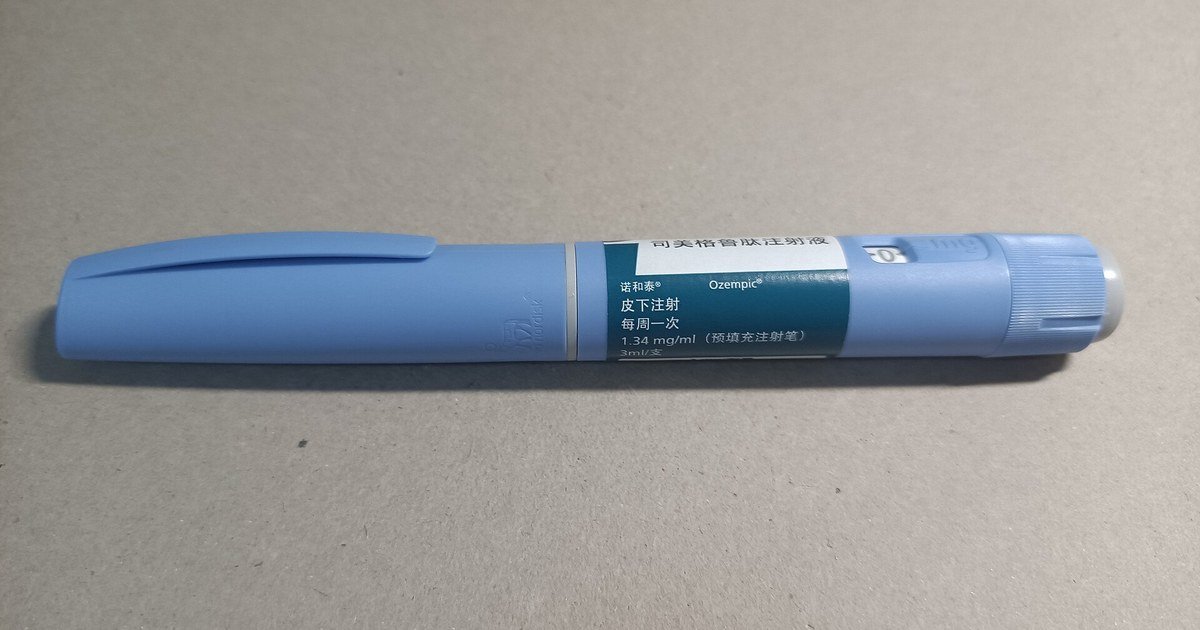
Photo: HualinXMN / Wikimedia Commons · CC BY-SA 4.0
A semaglutide injection pen. Reference photo: HualinXMN / Wikimedia Commons (CC BY-SA 4.0).
Chile's Public Health Institute (ISP) has warned of a possible risk of sudden vision loss linked to the GLP-1 receptor agonist family of medicines, used to treat type 2 diabetes and obesity, such as Ozempic.
It is a very rare side effect. But when it happens, the damage can be permanent.
What NAION is
The warning concerns non-arteritic anterior ischemic optic neuropathy (NAION), a condition in which blood flow to the optic nerve drops. According to the US FDA, it usually causes sudden, painless vision loss in one eye, sometimes noticed on waking.
In Chile, the registered medicines in this family contain semaglutide, liraglutide, tirzepatide or dulaglutide, 24 Horas reported. The concern arose mainly from studies that found a possible association with semaglutide.
How common it is
In its 9 November safety communication, the FDA reviewed 126 clinical trials with more than 134,000 participants and identified 15 probable cases. The rate was 6.4 cases per 100,000 person-years among people taking these drugs, compared with 3.8 in comparison groups. The agency ordered the warning added to the labeling of all these medicines.
In Europe, the EMA's pharmacovigilance committee had already concluded in June 2025 that NAION is a very rare side effect of semaglutide. In Chile, the ISP has recorded two reports linked to semaglutide since 2022 and said it will ask for patient and professional leaflets to be updated.
What the ISP recommends
- Seek care immediately for sudden vision loss, blurred vision, blind spots or any sudden change in vision.
- Do not stop treatment on your own: that decision should be made with your doctor.
- Tell your doctor if you have a history of eye disease, high blood pressure, long-standing diabetes or sleep apnea.
- Keep your follow-up appointments and report any suspected side effect.
These medicines have proven benefits for many people. If you use them and have questions, talk to your doctor.
Read also: L’Oréal y las inyecciones para adelgazar · Alerta por péptidos inyectados para adelgazar
Sources
- 24 Horas (Chile): Podrían provocar ceguera repentina: la advertencia del ISP por medicamentos para bajar de peso (19 nov 2026)
- Temas de Salud: Agonistas del receptor de GLP-1 y riesgo de neuropatía óptica isquémica anterior (nota del ISP)
- FDA: Drug Safety Communication sobre GLP-1 y NAION (9 nov 2026)
For information only. It does not replace advice from a health professional. Medical disclaimer