Life expectancy in Cuba falls for the first time since 1950: what the WHO said
WHO Director-General Tedros Adhanom Ghebreyesus said in Havana that life expectancy fell from 78.8 years in 2020 to 74.4 in 2025, and that infant mortality has more than doubled.
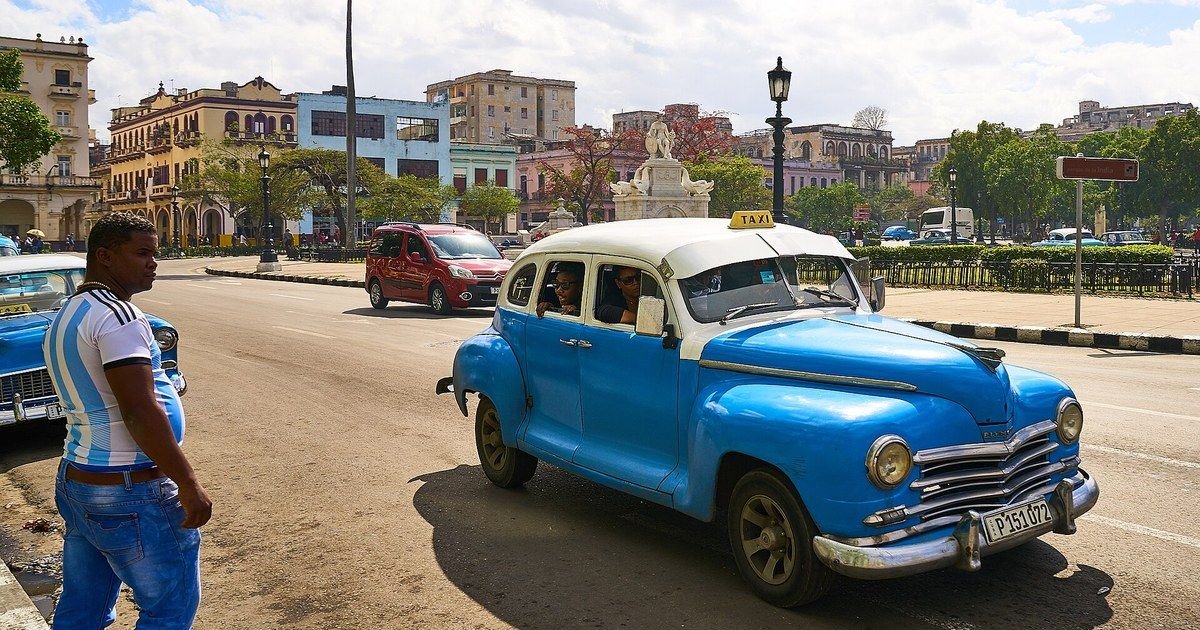
Photo: Pedro Szekely from Los Angeles, USA / Wikimedia Commons · CC BY-SA 2.0
A street in Havana. Reference photo: Pedro Szekely from Los Angeles, USA / Wikimedia Commons (CC BY-SA 2.0).
Life expectancy in Cuba has fallen for the first time since records began in 1950. The Director-General of the World Health Organization (WHO), Tedros Adhanom Ghebreyesus, said so in Havana on Tuesday, November 24, at the end of a three-day visit to the island.
“Mortality has increased and life expectancy in Cuba has decreased for the first time since records began in 1950, falling from 78.8 years in 2020 to 74.4 years in 2025,” he told a press conference, according to DW.
The figures
- Life expectancy: from 78.8 years (2020) to 74.4 years (2025), more than four years lower.
- Infant mortality: it “has more than doubled”, from about 4 deaths per 1,000 live births in 2020 to 9.9 in 2025.
- Maternal mortality: from 37.4 in 2019 to 44.1 in 2025, according to the figures cited by the WHO chief.
- Childhood cancer: the survival rate fell from 85% to 65% since January, Tedros said.
Tedros described the situation of the health system, for decades one of the Cuban government’s main achievements, as “difficult and critical”.
The causes, according to the WHO
The island of almost 9.5 million people is going through a deep economic crisis that worsened with the fuel blockade imposed by the United States at the start of 2026. The Guardian notes that the 2025 figures predate that blockade.
Tedros linked the situation to the sanctions but also called for acknowledging “internal problems”: “I think addressing the external and internal issues is very important to move forward,” he said. The WHO announced two million dollars for childhood vaccination campaigns and the purchase of essential medical equipment.
What life expectancy means
It is a population-wide indicator: it summarizes how many years, on average, a person born today would live if current death rates stayed the same. A drop of more than four years in five years is an alarm signal about access to care, medicines and food. If you have relatives in Cuba with chronic illnesses, talk to their doctor about how to keep their treatments going.
Read also: Sarampión en Perú: alerta epidemiológica · El sarampión en EE. UU. supera los 5.800 casos
Sources
For information only. It does not replace advice from a health professional. Medical disclaimer