PAHO warns that “last-resort” antibiotics are working less and less in the Americas: resistance in one bacterium rose from 15% to 26%
During World Antimicrobial Resistance Awareness Week, PAHO released data showing a steady rise in resistance to carbapenems, antibiotics used when others no longer work.
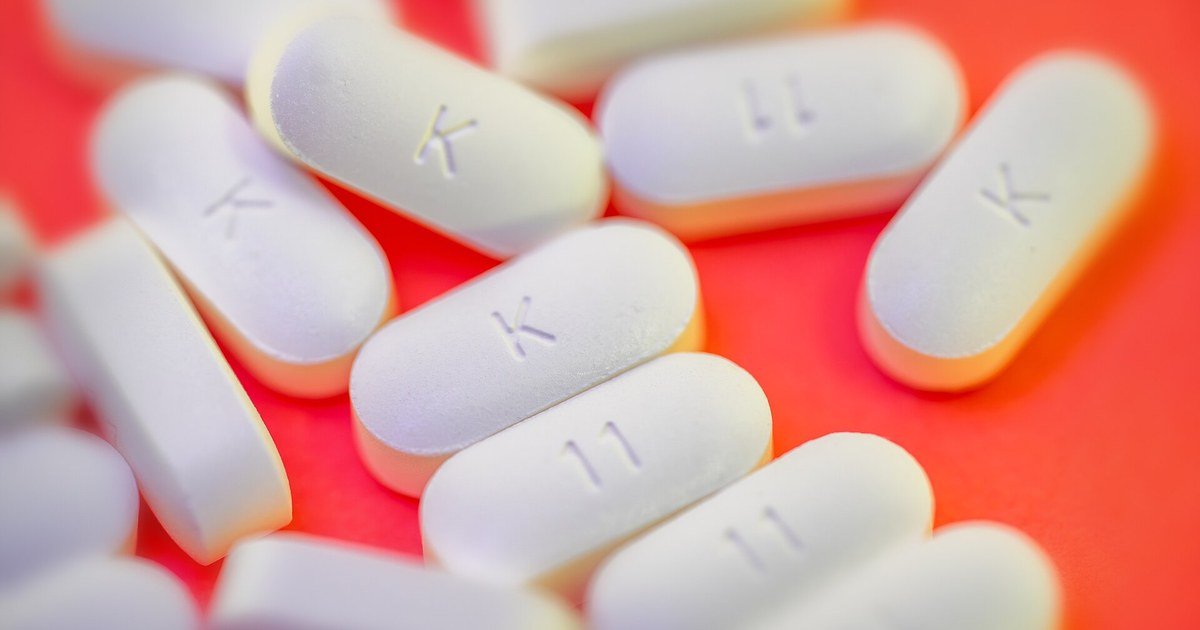
Photo: Tony Webster / Wikimedia Commons · CC BY 4.0
Antibiotic tablets. Reference photo: Tony Webster / Wikimedia Commons (CC BY 4.0).
The Pan American Health Organization (PAHO) warned on November 18 that resistance to a group of antibiotics used as one of the last treatment options for serious infections has risen steadily over the past decade in the Americas.
The figures help explain why doctors insist so much on not taking antibiotics “just in case”.
What the data show
The drugs in question are carbapenems, antibiotics usually used when other treatments fail. According to the regional surveillance network ReLAVRA+, resistance to them in Klebsiella pneumoniae went from about 15% in 2015 to 26% in 2024 (data from 15 countries). In Escherichia coli it rose from 3% to 5% (13 countries).
In Acinetobacter baumannii, another feared hospital bacterium, median resistance reached 77% in 2024, although only seven countries reported that figure. PAHO itself notes these are regional estimates and that the situation varies by country.
“These data mean that hospital infections are increasingly difficult to treat, with greater risks for patients,” said Pilar Ramón Pardo, head of PAHO's Special Program on Antimicrobial Resistance (quote translated from Spanish).
Not just a hospital problem
PAHO stresses that resistance also affects the community: it can complicate the treatment of common infections, such as urinary tract infections, and raise the risk of complications and hospital stays. The data were released during World AMR Awareness Week, November 18–24.
The World Health Organization explains that the misuse and overuse of antimicrobials is one of the main drivers of resistance.
What is in your hands
- Take antibiotics only when a health professional prescribes them; they do not work against colds or flu, which are viral.
- Follow the prescribed dose and duration, and do not share or keep leftovers.
- Prevent infections: handwashing, up-to-date vaccines and safe food handling.
If you have symptoms of an infection, see your doctor before taking an antibiotic.
Read also: ¿Es riesgoso compartir la toalla? · Día Mundial de la EPOC
Sources
For information only. It does not replace advice from a health professional. Medical disclaimer