Generations reaching old age today have better memory and lose it more slowly, a study of 219,000 people finds
An analysis published in Nature Medicine on November 17 followed about 219,000 people for up to 30 years. Those born later reach old age with better memory and slower decline, though the study does not prove the cause.
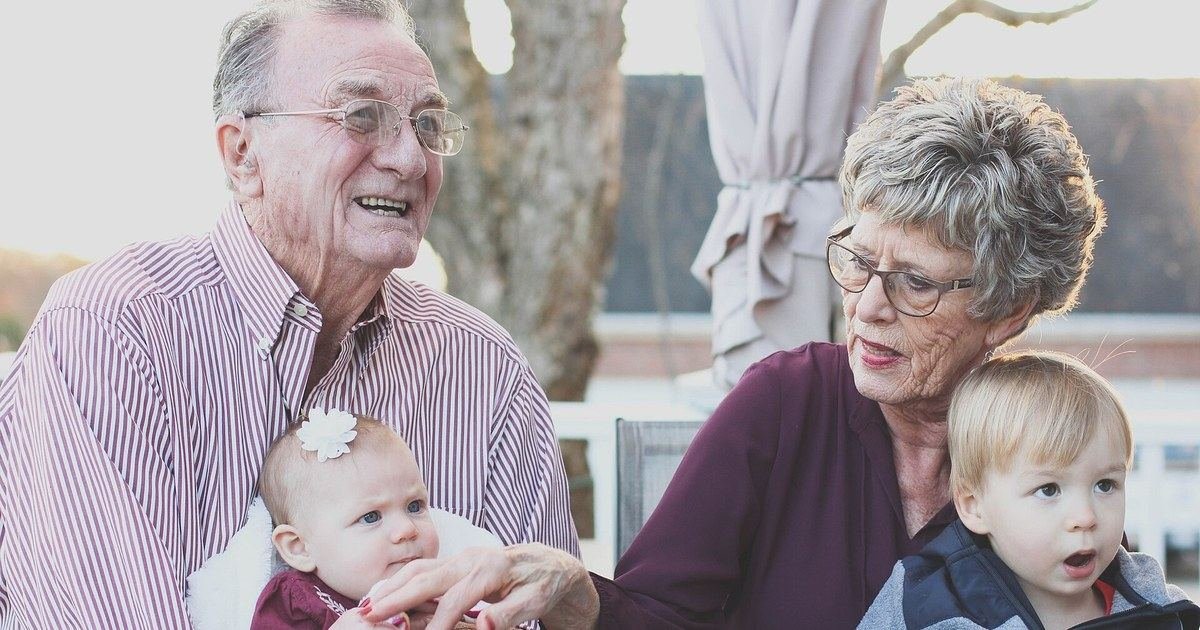
Photo: Wikimedia Commons · CC0
Grandparents with their grandchildren. Reference photo: sylviebliss / Wikimedia Commons (CC0).
Each generation reaches old age with better memory than the one before, and also loses it more slowly. That is the conclusion of a study published on November 17, 2026 in Nature Medicine, led by researchers at the University of Oslo (Norway).
The authors call it a “double dividend.”
What they analyzed
The team pooled about 783,000 memory assessments from about 219,000 people in five studies that followed them for up to 30 years. According to Nature, participants were people aged 50 and over born between 1910 and 1964, and the tests involved recalling lists of words, a common tool for screening for cognitive decline.
What they found
For every ten years later in birth date, the memory score at age 60 was about 10% higher. In addition, each later birth decade was associated with a 64% higher likelihood of keeping stable memory, with little or no deterioration.
In brain imaging of nearly 2,000 people, stable memory was linked to less shrinkage of the hippocampus, a region key to forming memories.
The authors say this advantage could account for the 13% per decade drop in dementia incidence in Europe and the United States.
What the study does not say
The work does not determine the cause. Lead author Anders Fjell points to possible factors such as more schooling, better nutrition and childhood living conditions, better health care, better cardiovascular drugs and less pollution, and believes it is “probably not a single cause.”
He also warns there is no guarantee the trend will continue, and that the results are averages for whole generations, which are unlikely to be shared equally. The authors conclude that sustaining the decline in dementia will require protecting brain health across the whole lifespan, starting in childhood.
And one important point: these results cannot predict any one person's risk. If you have concerns about your own memory or a relative's, talk to your doctor.
Read also: La fibra que tiras a la basura · Día Mundial sin Alcohol: lo que dice la OMS
Sources
- Nature Medicine: Generational gains in cognitive capacity and dementia incidence rates in Western countries (17 nov 2026)
- Nature: People entering old age now have better memory than their parents did (19 nov 2026)
- Medical Xpress: Younger generations appear to have a double advantage against dementia
For information only. It does not replace advice from a health professional. Medical disclaimer