Woman 32 weeks pregnant dies of dengue in Áncash, Peru: the region has eight deaths and the warning signs not to ignore
She died at the Eleazar Guzmán Barrón Regional Hospital in Nuevo Chimbote after two weeks in hospital. Áncash health authorities count 3,843 dengue cases and eight deaths in 2026.
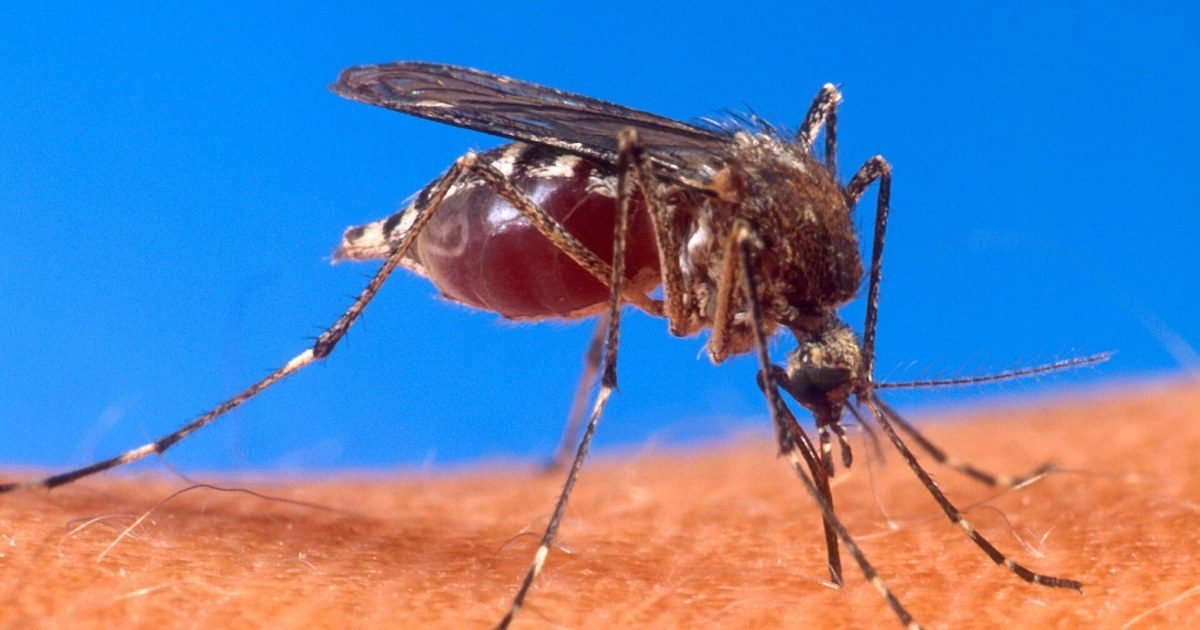
Photo: Wikimedia Commons · Public domain
An Aedes aegypti mosquito, which transmits dengue. File photo: US Department of Agriculture / Wikimedia Commons (Public domain).
A woman who was 32 weeks pregnant died of severe dengue complications at the Eleazar Guzmán Barrón Regional Hospital in Nuevo Chimbote, in Peru’s Áncash region. According to Infobae, it is the region’s first maternal death linked to dengue this year.
Her death brings Áncash to eight dengue deaths in 2026.
What is known
The patient had been transferred from La Caleta hospital in Chimbote and spent two weeks in hospital as her condition worsened. She died in the early hours despite care from obstetrics and intensive care specialists, according to press reports.
Her husband says she was discharged while still unwell and got worse after returning home; that is his account, and the hospital has not publicly addressed it.
The Áncash Regional Health Directorate (Diresa) counts 3,843 confirmed and suspected cases and eight deaths this year, with most infections in the provinces of Santa and Casma. An 11-year-old child is among the dead. Nationwide, the Health Ministry reports 148 confirmed deaths.
Why pregnancy raises the risk
The World Health Organization (WHO) says severe dengue can cause bleeding, plasma leakage and organ failure, and that pregnant women, babies and older people are at higher risk of complications. Doctors quoted by the Peruvian press note that when the fever drops, patients may feel better just as complications begin.
Warning signs
According to WHO, seek urgent care if, especially 24 to 48 hours after the fever goes down, you notice: severe abdominal pain, persistent vomiting, rapid breathing, bleeding gums or nose, fatigue or restlessness, blood in vomit or stool, or extreme thirst. Do not self-medicate: anti-inflammatories such as ibuprofen or aspirin can make bleeding worse. If you are pregnant and have a fever in an area with dengue, see your doctor right away.
To prevent it, Peru’s Health Ministry and WHO urge people to empty standing water from containers and to use repellent and mosquito nets.
Read also: Perú, en emergencia por lluvias de El Niño y dengue · Dengue en Yucatán: siete muertes bajo investigación
Sources
For information only. It does not replace advice from a health professional. Medical disclaimer