WHO warns about hormone-disrupting chemicals in plastics and cosmetics that act even before birth: what the new report says
A WHO and UNEP report, the first in more than a decade, gathers evidence that endocrine disruptors can affect babies during pregnancy. They have been found in blood, breast milk and umbilical cord blood.
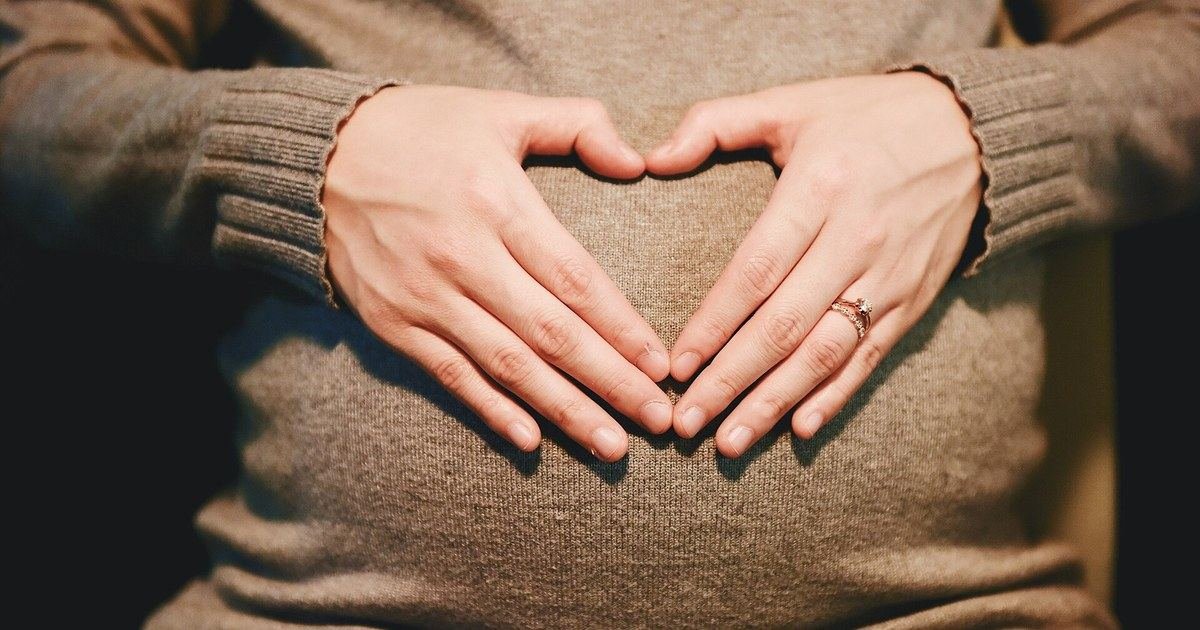
Photo: Wikimedia Commons · CC0
A pregnant woman makes a heart shape with her hands. Reference photo: Suhyeon Choi choisyeon / Wikimedia Commons (CC0).
The World Health Organization (WHO) and the United Nations Environment Programme (UNEP) published a report on 17 November warning that exposure to hormone-disrupting chemicals can begin before birth.
And their effects appear broader than was understood ten years ago.
What endocrine disruptors are
Endocrine-disrupting chemicals (EDCs) are substances that can interfere with hormones, the messengers that regulate growth, reproduction, metabolism and brain development. According to the report, they have been detected in blood, breast milk and umbilical cord blood.
They are used in plastics, food packaging, toys, medical devices, pesticides and personal care products. Among the best known are bisphenol A, phthalates and PCBs, Infobae explained.
What the report found
The document, State of the Science of Endocrine-Disrupting Chemicals 2026, is the first major update since 2012. According to WHO, the evidence is now stronger for effects on fertility, reproductive development, brain development, the thyroid, metabolism, immunity and cardiovascular health. Newer areas of concern include metabolic liver disease, although important scientific gaps remain.
Another figure stands out: more than 350,000 chemicals and chemical mixtures are registered worldwide, yet only a small fraction has been evaluated for hormone-disrupting properties. People are also exposed to mixtures, while many regulatory systems still assess chemicals one at a time.
“Protecting health means preventing harmful exposures before they occur,” said WHO's Bruce Gordon, calling for everyday products to be safe “particularly for pregnant women, children and future generations.”
What can be done
The report focuses on governments and companies: it calls for phasing out the most problematic substances and promoting safer alternatives. It also notes that people can make informed choices and opt for alternative materials when they have clear information about products.
If you are pregnant or planning a pregnancy and are worried about chemical exposure, talk to your doctor.
Read also: La OPS alerta por los antibióticos de último recurso · Alerta por un lote de agua embotellada
Sources
- OMS: Evidence mounts that exposure to hormone-disrupting chemicals starts before birth: UNEP–WHO report (17 nov 2026)
- PNUMA: Crece la evidencia de que la exposición a sustancias químicas que alteran las hormonas comienza antes del nacimiento (17 nov 2026)
- Infobae: Alerta de la OMS por químicos presentes en plásticos, cosméticos y plaguicidas (19 nov 2026)
For information only. It does not replace advice from a health professional. Medical disclaimer