Why do you crave something sweet or salty before bed even after dinner? What science says and how to avoid it
Experts quoted by the BBC explain that appetite naturally peaks in the evening and that the brain's reward system pushes us towards sweet, fatty and salty foods.
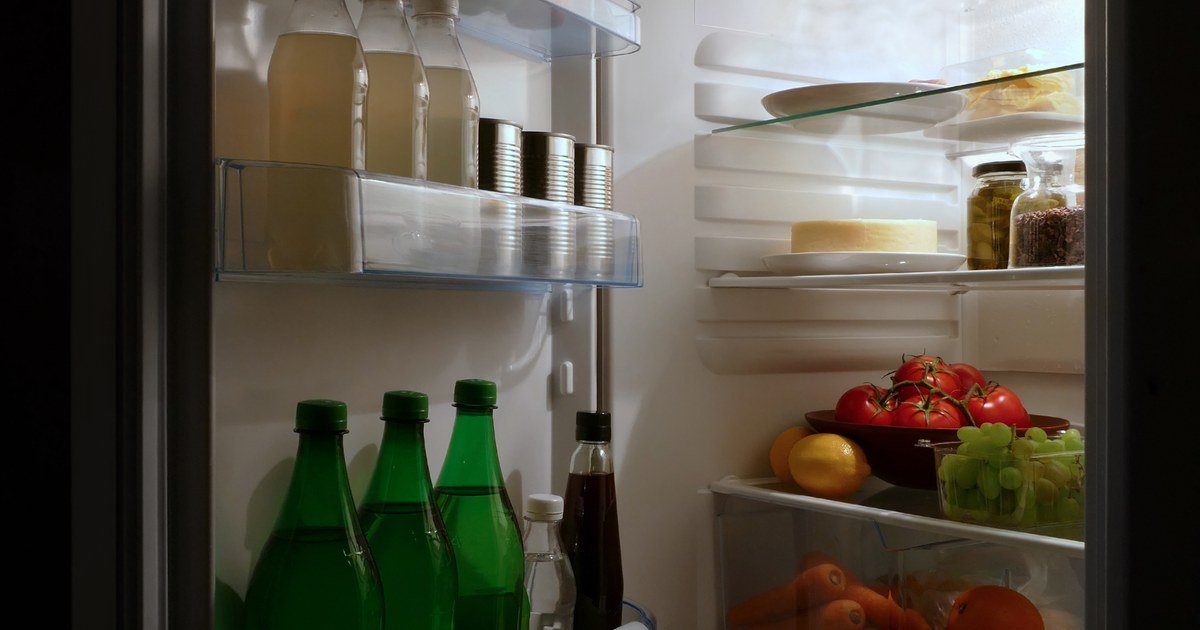
Photo: W.carter / Wikimedia Commons · CC BY-SA 4.0
An open refrigerator at night. Reference photo: W.carter / Wikimedia Commons (CC BY-SA 4.0).
You've had dinner, you feel full, and yet a little later you're reaching for biscuits, chocolate or crisps. That's not unusual: according to a report by BBC health correspondent Nick Triggle, research suggests about a third of people snack after dinner, and among 18- to 24-year-olds four in five do.
Much of the explanation lies in biology.
Appetite rises at night
Professor James Betts of the University of Bath (UK) told the BBC that ghrelin, known as the “hunger hormone”, tends to be higher at the end of the day, and that meals only really suppress it after the first meal of the day, not after lunch or dinner.
On top of that, a dinner that isn't filling — low in protein, fibre or volume — can cause an energy dip that leads to snacking. Habit matters too: “If someone usually snacks while watching TV, simply switching it on can trigger cravings,” said Professor Suzanne Higgs of the University of Birmingham.
Why sweet and salty tempt us more
Dietitian Kristine Beaulieu (University of Leeds and Université de Moncton) said our preference for high-fat foods is greater at the end of the day and that this “hedonic” drive can override fullness signals. She also noted that eating more in the two hours before bed is linked to a higher risk of weight gain.
And sleep? The evidence is mixed: there are signs that refined carbohydrates and added sugars are linked to poorer sleep quality, but it's hard to tell cause from effect, because poor sleep also increases appetite.
How to curb night-time cravings
- Make dinner more filling, with protein, fibre and vegetables.
- If you snack out of habit, change the routine and don't eat in front of a screen.
- Keep options such as fruit, yoghurt or nuts at hand, and don't keep what tempts you most in the cupboard.
- You don't have to ban everything: a reasonable portion now and then is more sustainable.
If cravings are intense, wake you at night or come with weight changes, talk to your doctor.
Read also: Las personas que solo necesitan dormir 4 horas · ¿Sientes que caes al dormirte?
Sources
For information only. It does not replace advice from a health professional. Medical disclaimer