"He could still be alive": his twin died after refusing a transfusion, and 23 days later Jehovah's Witnesses changed the rule
Since Sept. 18, each Witness decides in conscience whether to accept red cells, white cells, plasma or platelets; whole-blood transfusion is still refused. What it means for patients, families and doctors.
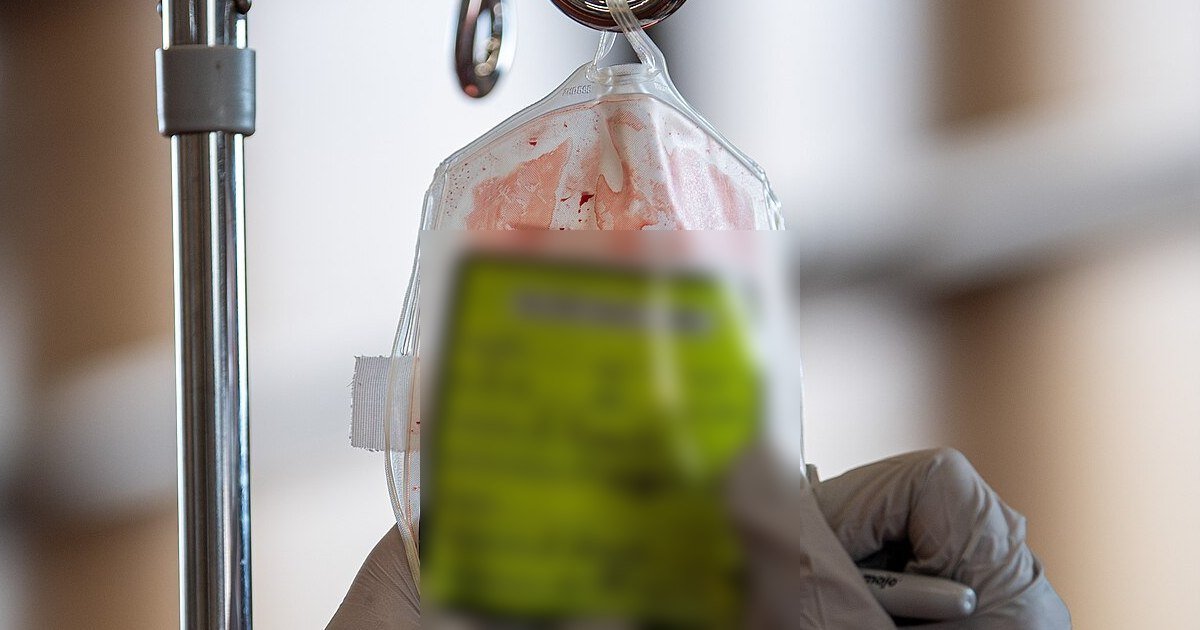
Photo: Wikimedia Commons · Public domain
A blood bag hanging from a stand during a medical training exercise; the label details are blurred and it is not linked to any patient in this story. Reference photo: U.S. Air Force photo by Airman 1st Class David S. Calcote / Wikimedia Commons (Public domain).
In August 2026, Isaac Valdez, 26, had an epileptic seizure in his local library in Texas, hit his head and suffered a brain bleed. As a Jehovah's Witness, he carried a card saying he would not accept any treatment involving a blood transfusion.
A neurosurgeon told the family only emergency surgery could save him, and it required blood. The family respected his wishes. Isaac died on Aug. 26, his twin brother Jacob told the BBC.
What exactly changed
"Just 23 days later," the BBC reports, the Governing Body of Jehovah's Witnesses announced a historic shift. According to its official statement of Sept. 18, 2026 (Warwick, New York), accepting red cells, white cells, plasma or platelets from another person's blood is now "a matter of personal conscience". The same goes for donating blood for that purpose.
The refusal of whole-blood transfusion remains. But as experts told the medical journal The BMJ, most modern transfusions use components rather than whole blood, so the change allows Witness patients to receive most of them without risk of expulsion.
International spokesman Paul Gillies told the BBC the organization sympathizes with grieving families, while insisting the core teaching has not changed. Asked why it took so long, he suggested such changes simply take time.
The families' grief
Jacob, who had already left the faith, believes Isaac "could well still be alive" had the change come sooner, and wants a direct apology. There are no exact figures for how many of the roughly nine million Witnesses die each year after refusing blood; a 2016 paper in Obstetrical & Gynecological Survey put it at around 1,100, the BBC notes.
Some have no regrets: Alex Ball, a 58-year-old British Witness, refused transfusions during chemotherapy in 2012, received an alternative treatment to boost his red cells and says he would decide the same way again.
What it means for patients and doctors
- The decision is individual. Doctors quoted by The BMJ say not to assume a Witness patient refuses all blood products: ask.
- Talk before an emergency. If you or a relative are Witnesses, discuss with your doctor which treatments you would accept and put it in writing.
- Donating blood saves lives. A single component can help patients with cancer, injuries or complicated births. Check donation requirements in your country.
If you have questions about a blood treatment or its alternatives, talk to your doctor.
Read also: Sobrecarga del cuidador: señales de que cuidar te está agotando · Toukie Smith y la esclerosis múltiple: señales de alerta
Sources
For information only. It does not replace advice from a health professional. Medical disclaimer