High blood pressure: 8 science-backed habits to lower it (and the most common mistake when measuring it)
Hypertension affects more than 1.2 billion adults, and nearly half don't know they have it. Here are the everyday changes with the biggest impact, from salt to sleep, and how to measure your blood pressure correctly at home.
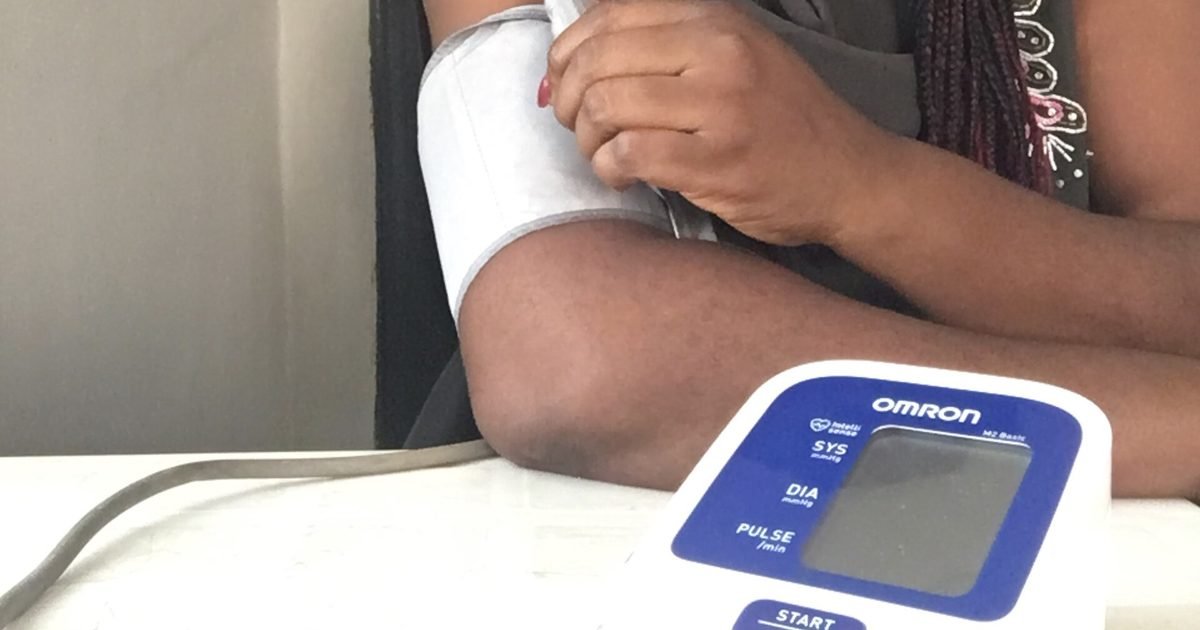
Photo: Wikimedia Commons · CC0
It's called "the silent killer" for a reason: high blood pressure rarely causes symptoms, but over the years it damages the arteries, heart, kidneys and brain. According to the World Health Organization, about 1.3 billion adults worldwide live with hypertension, and roughly half don't know it. It's one of the leading risk factors for heart attack and stroke.
The good news is that daily habits have a huge effect. For many people, lifestyle changes lower blood pressure as much as a medication would, and for those already on treatment, they make it work better.
What counts as high
Blood pressure is written as two numbers: systolic (when the heart beats) and diastolic (between beats). Guidelines differ slightly, but in general:
- Normal: below 120/80 mmHg.
- Elevated or high-normal: 120 to 139 systolic, or 80 to 89 diastolic, depending on the guideline.
- Hypertension: 130/80 or higher under US guidelines, or 140/90 or higher under European and WHO guidelines.
A single high reading isn't enough for a diagnosis: it takes several measurements on different days.
1. Cut back on salt (and find the hidden kind)
The WHO recommends less than 5 grams of salt a day, about a teaspoon. Most of us eat twice that. Crucially, around 70% of the salt we eat isn't added by us: it comes in bread, cured meats, cheese, instant soups, sauces, snacks and fast food. Reading labels and cooking at home more often makes a real difference. Use herbs, spices, garlic and lemon for flavor.
2. Get more potassium
Potassium helps counter the effects of sodium. You'll find it in bananas, avocados, beans and lentils, spinach, potatoes, tomatoes and oranges. (People with kidney disease should check with their doctor before increasing it.)
3. Follow a DASH-style or Mediterranean pattern
The DASH diet, designed specifically for hypertension, is rich in fruit, vegetables, whole grains, low-fat dairy, legumes and nuts, and low in processed meat and sugar. In the original trials it lowered systolic pressure by about 8 to 11 mmHg in people with hypertension, an effect comparable to some drugs.
4. Move most days
About 150 minutes a week of moderate aerobic activity (brisk walking, swimming, cycling) can lower systolic pressure by around 5 to 8 mmHg. A 2023 analysis in the British Journal of Sports Medicine found that isometric exercises, such as planks and wall sits, are also highly effective.
5. Lose some weight if you have extra
For every kilo lost, blood pressure can drop by about 1 mmHg. You don't need to reach an "ideal" weight: losing 5% to 10% already has a noticeable effect.
6. Go easy on alcohol
Alcohol raises blood pressure in a dose-dependent way. Cutting back or stopping is one of the fastest-acting measures.
7. Sleep well
Regularly sleeping less than six hours is linked to higher blood pressure. Sleep apnea is also a common cause of hard-to-control hypertension: if you snore loudly and wake up tired, mention it to your doctor.
8. Manage stress and quit smoking
Chronic stress keeps the body on alert. Techniques such as slow breathing, yoga or tai chi have shown modest reductions in blood pressure. Smoking raises blood pressure with every cigarette and damages the arteries: quitting is the best thing you can do for your heart.
How to measure your blood pressure at home without errors
The most common mistake is measuring right after arriving home, talking or drinking coffee. For a reliable reading:
- Use a validated upper-arm monitor with the right cuff size.
- Avoid coffee, smoking and exercise for 30 minutes beforehand, and empty your bladder.
- Sit with your back supported, feet flat on the floor and your arm resting on a table at heart level.
- Rest quietly for 5 minutes first and don't talk during the measurement.
- Take two readings a minute apart and record both, morning and evening, for a week before your appointment.
Beware of "miracle cures"
Social media is full of herbal teas, garlic on an empty stomach or apple cider vinegar presented as replacements for medication. Some foods can be part of a healthy diet, but never stop a treatment without talking to your doctor. Stopping blood pressure medication suddenly can be dangerous.
When it's an emergency
If your reading is 180/120 or higher and you have chest pain, shortness of breath, a severe headache, confusion, vision changes or weakness on one side of your body, call emergency services right away.
For information only. It does not replace advice from a health professional. Medical disclaimer
You may also like
 Animals
It looks AI-generated, but it's real: the red-lipped batfish of the Galápagos
 Viral world
The Panama earthquake video watched by 23 million people: what to do if a quake catches you on a mountain, at home or on the street
 Relationships
The wedding vows that moved 8.8 million people, and what science says about couples who last
 Viral world
From Bulin 47's freestyle to AI montages: 9 clues to tell whether a viral video is real
 Animals
Elephants "listen" with their feet: they can sense ground vibrations from miles away
 Home & living