Extreme heat wave in Peru: red alert along the entire coast and a record 38.5 °C in Piura; how to protect yourself
Senamhi is keeping a red alert from Tumbes to Tacna until Saturday, November 28. In Catacaos (Piura) the thermometer hit 38.5 °C, a November record, and in Lima it felt like 37 °C.
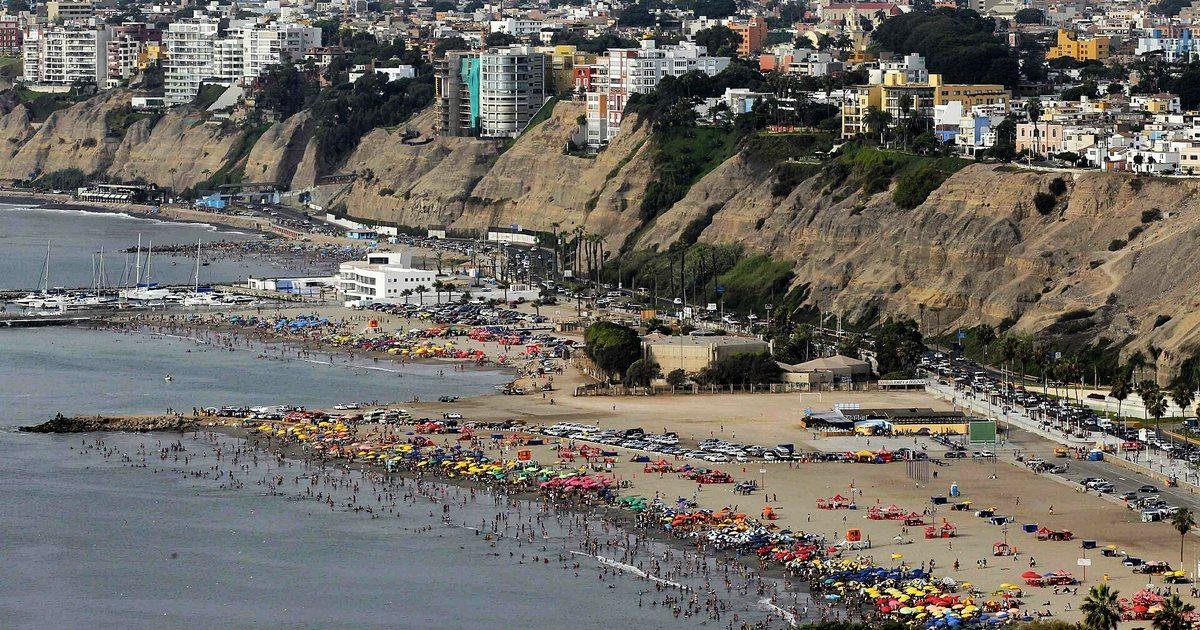
Photo: Imperial94 / Wikimedia Commons · CC BY-SA 2.0
Beachgoers at Agua Dulce beach in Chorrillos (Lima). Reference photo: Imperial94 / Wikimedia Commons (CC BY-SA 2.0).
Peru’s coast is going through an extreme heat wave. The National Meteorology and Hydrology Service (Senamhi) is keeping a red alert along the entire coastline, from Tumbes to Tacna, for temperatures rising with “moderate to extreme intensity,” RPP reported.
The warning began on Wednesday, November 25, and will remain in force until Saturday the 28th, according to Infobae.
A record in Piura and a 37 °C “feels like” in Lima
The San Miguel station in Catacaos (Piura) recorded 38.5 °C on Tuesday, a November record and just half a degree below its all-time high of 39 °C, set in February 2023, the Andina news agency reported using Senamhi data. On Monday it had already reached 37.5 °C.
“We expect that, with the very warm sea temperatures we have, they will keep rising progressively,” Senamhi engineer Rosario Julca told RPP, linking the conditions to El Niño.
In Lima, the heat index reached 37 °C on Thursday, according to Infobae, and stations such as La Molina recorded 32 °C. Senamhi also expects little cloud cover at midday, more ultraviolet radiation and wind gusts near 40 km/h in the afternoons.
Why heat is a health risk
The World Health Organization (WHO) explains that heat stress is a leading cause of weather-related death and can worsen heart disease, diabetes, asthma and mental health conditions. When the body cannot cool down, the risk of heat exhaustion and heatstroke rises, and the effort to lower body temperature also strains the heart and kidneys.
According to the WHO, heat-related mortality among people over 65 rose by about 85% between 2000–2004 and 2017–2021. Older adults, young children, pregnant women, people with chronic illnesses and outdoor workers are the most exposed.
What you can do these days
- Drink water throughout the day, even if you are not thirsty, as Senamhi recommends.
- Avoid direct sun in the middle of the day and look for shade or cool places.
- Wear light clothing, a hat and sunscreen; never leave children, older adults or pets inside a car.
- Call or visit older neighbors and relatives who live alone.
- If someone is confused, has very hot skin, nausea or faints, move them to the shade, cool them down and seek emergency care.
If you take medication for blood pressure, your heart or diuretics, ask your doctor how to adjust your fluid intake during the heat wave.
Read also: La sed que ya no avisa en los adultos mayores · La alerta de calor de comienzos de noviembre
Sources
- RPP: Ola de calor extremo golpea toda la costa peruana; Piura soportó temperatura récord de 38.5 °C (25 nov 2026)
- Agencia Andina: Por segundo día seguido Catacaos bate récord de calor en noviembre con 38,5 °C
- Infobae: Lima arde: sensación térmica alcanzó los 37 °C y Senamhi mantiene alerta roja (26 nov 2026)
- OMS: Calor y salud (nota descriptiva)
For information only. It does not replace advice from a health professional. Medical disclaimer