Turmeric, garlic and cinnamon: what science really says about social media's three "miracle" spices
Golden milk, garlic on an empty stomach, cinnamon for blood sugar. These three spices star in thousands of videos making health promises. We look at which benefits are backed by evidence, which aren't and what precautions to take.
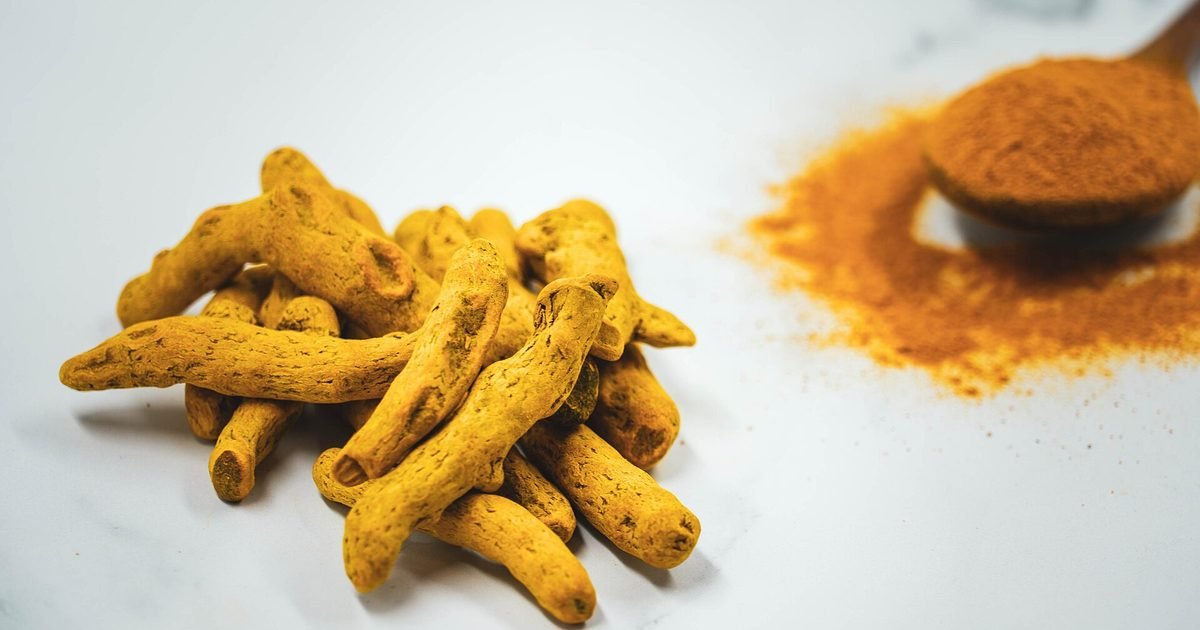
Photo: formulatehealth / Wikimedia Commons · CC BY 2.0
Spend some time on TikTok or Instagram and you've probably come across one of these recipes: turmeric "golden milk" to fight inflammation, a raw garlic clove on an empty stomach to "clean your arteries", or cinnamon to "lower your blood sugar". They're delicious, inexpensive spices with centuries of use in cooking and traditional medicine. But there's quite a gap between what social media promises and what studies show.
Turmeric: lots of potential, poor absorption
Turmeric gets its golden color from curcumin, a compound that shows anti-inflammatory and antioxidant effects in the lab. That's why it has been studied for arthritis, digestive health and many other conditions.
What the evidence says: some clinical trials suggest curcumin supplements may modestly relieve knee osteoarthritis pain, with results in some studies comparable to certain anti-inflammatory drugs. However, many studies are small or of variable quality, and results for other conditions are inconclusive.
The big problem is that curcumin is very poorly absorbed. A teaspoon of turmeric in your food contains only a small amount, and the body uses little of it. Pairing it with black pepper (which contains piperine) and some fat improves absorption.
Precautions: in cooking, it's safe. Concentrated supplements, however, have been linked to cases of liver injury, can interact with blood thinners and aren't recommended for people with gallstones without medical advice.
Garlic: a modest ally for the heart
When garlic is cut or crushed, it forms allicin, responsible for its smell and many of its studied effects.
What the evidence says: several meta-analyses indicate that garlic supplements may slightly lower blood pressure in people with hypertension (by a few millimeters of mercury) and produce a small drop in total and LDL cholesterol. These effects are real but modest, and they don't replace medication.
The idea that garlic "cleans your arteries" or "cures infections" isn't supported. Nor is there evidence that eating it on an empty stomach is better than at any other time.
Precautions: large amounts of raw garlic can irritate the stomach and cause heartburn. Supplements can increase bleeding risk with blood thinners and should be stopped before surgery. Never put raw garlic on your skin: it can cause chemical burns, something doctors see regularly thanks to social media "remedies".
Cinnamon: watch which kind you use
Cinnamon has been studied mainly for its possible effect on blood sugar.
What the evidence says: some meta-analyses found small reductions in fasting blood glucose in people with type 2 diabetes, but the studies vary widely, and effects on HbA1c (the key long-term marker) are inconsistent. Cinnamon is not a diabetes treatment.
Mind the type of cinnamon: the most common kind in supermarkets, cassia, contains coumarin, a substance that can harm the liver in high doses. European authorities set a tolerable daily intake for coumarin that an adult can exceed with just one or two teaspoons of cassia a day. Ceylon cinnamon contains much less. If you use cinnamon daily and generously, Ceylon is the better choice.
And a viral danger: the "cinnamon challenge", which involved swallowing a spoonful of ground cinnamon, led to choking and lung injuries. Never try it.
What about golden milk?
A drink of milk (or plant-based milk) with turmeric, pepper, cinnamon and ginger is comforting and can be part of a healthy diet. What it won't do is cure disease. And if you sweeten it heavily, it adds sugar.
How to really make the most of them
- Use them in your cooking every day: they add flavor without salt or sugar, which is already a win for blood pressure and weight.
- Combine them well: turmeric with pepper and olive oil; chopped garlic left to rest for a few minutes before cooking so allicin can form.
- Be wary of homemade "therapeutic" doses: more isn't better.
- Talk to a professional before taking supplements, especially if you take blood thinners or diabetes medication, have liver problems or are pregnant.
- Never stop medical treatment to replace it with spices.
What is clear
Large nutrition studies agree that what protects health most is your overall eating pattern: plenty of vegetables, fruit, legumes, whole grains and nuts, with little processed meat, sugar and salt. In that context, turmeric, garlic and cinnamon are excellent kitchen companions. They aren't miracles, but they make healthy eating far tastier.
For information only. It does not replace advice from a health professional. Medical disclaimer
You may also like
 Animals
It looks AI-generated, but it's real: the red-lipped batfish of the Galápagos
 Health
Do you always wake up at 3 a.m.? What might be going on and how to get back to sleep
 Viral world
The Panama earthquake video watched by 23 million people: what to do if a quake catches you on a mountain, at home or on the street
 Relationships
The wedding vows that moved 8.8 million people, and what science says about couples who last
 Viral world
From Bulin 47's freestyle to AI montages: 9 clues to tell whether a viral video is real
 Animals