Heat was linked to 710,000 deaths in a single year, according to The Lancet: how to protect yourself when temperatures rise
The Lancet Countdown 2026 report, with WHO participation, estimates a record number of heat-related deaths in 2023, most of them attributable to climate change. With Lima topping 30 °C this Monday, we review who is most at risk and what the WHO recommends.
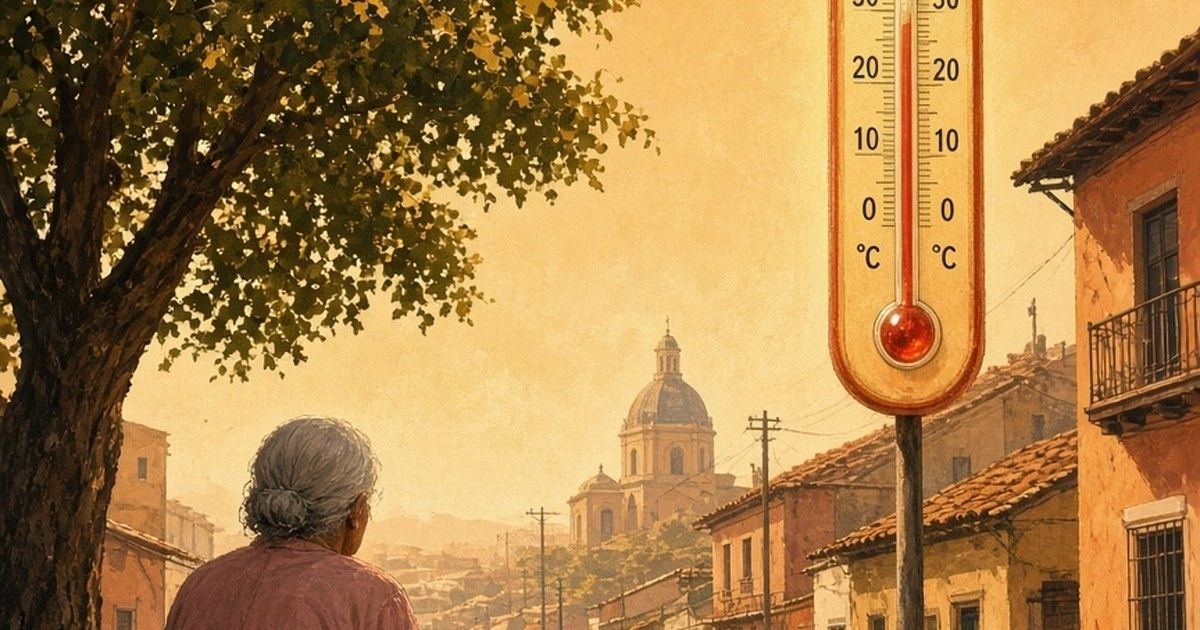
Photo: Salud3 / Imagen ilustrativa generada con IA · Imagen ilustrativa
Illustrative image: An older person rests in the shade with a bottle of water on a hot day.
Extreme heat was linked to about 710,000 deaths in 2023, a record, according to the Lancet Countdown 2026 report on health and climate change, produced with the participation of the World Health Organization (WHO) and presented on October 28, UN News reported. The report attributes 71.5% of those deaths to climate change.
And the trend is rising.
What the report says
According to UN News' summary, heat-related mortality rose by about 36% when comparing 2016-2023 with 2006-2015. Heat also hits the economy: the report estimates that 573 billion work hours were lost in 2025 due to exposure to high temperatures.
It is important to understand what these figures mean: they are model-based estimates for 129 countries that compare observed deaths with those expected based on temperature. They are not a count of death certificates for "heatstroke," but the excess deaths in which heat was a factor, often by worsening heart, kidney or lung disease.
The issue is not far away: on Monday, November 2, Lima topped 30 °C (86 °F), according to Infobae Peru, in the middle of the southern spring.
Who is most at risk
The WHO notes that heat can affect anyone, but the risk is higher for older adults, babies and young children, pregnant women, people with chronic illnesses (heart, respiratory and kidney disease, diabetes), those taking certain medications, outdoor workers and people who live alone or without access to cool places.
How to protect yourself
- Drink water regularly, even if you're not thirsty, and limit alcohol and very sugary drinks.
- Avoid the sun and physical exertion during the hottest hours of the day; seek shade and ventilated places.
- Keep your home cool: close blinds during the day and ventilate at night, when the temperature drops.
- Wear light, light-colored clothing and a hat.
- Call or visit older relatives and neighbors or those who live alone.
- Never leave children or pets inside a parked car.
Warning signs: dizziness, severe headache, nausea, very hot and dry skin, confusion or fainting. If these appear, move the person to a cool place, cool them with water and seek urgent medical help. If you have a chronic illness or take medication, ask your doctor how to adjust them on hot days.
Read also: Navajas con norovirus: alerta europea grave
Sources
For information only. It does not replace advice from a health professional. Medical disclaimer