One in seven teenagers lives with a mental disorder: the warning signs a psychologist says parents should not ignore
The WHO estimates that one in seven young people aged 10 to 19 has a mental disorder and that half of these conditions begin before age 18. In Colombia, figures cited by Infobae show 10.4% of teenagers with signs of possible emotional disorders.
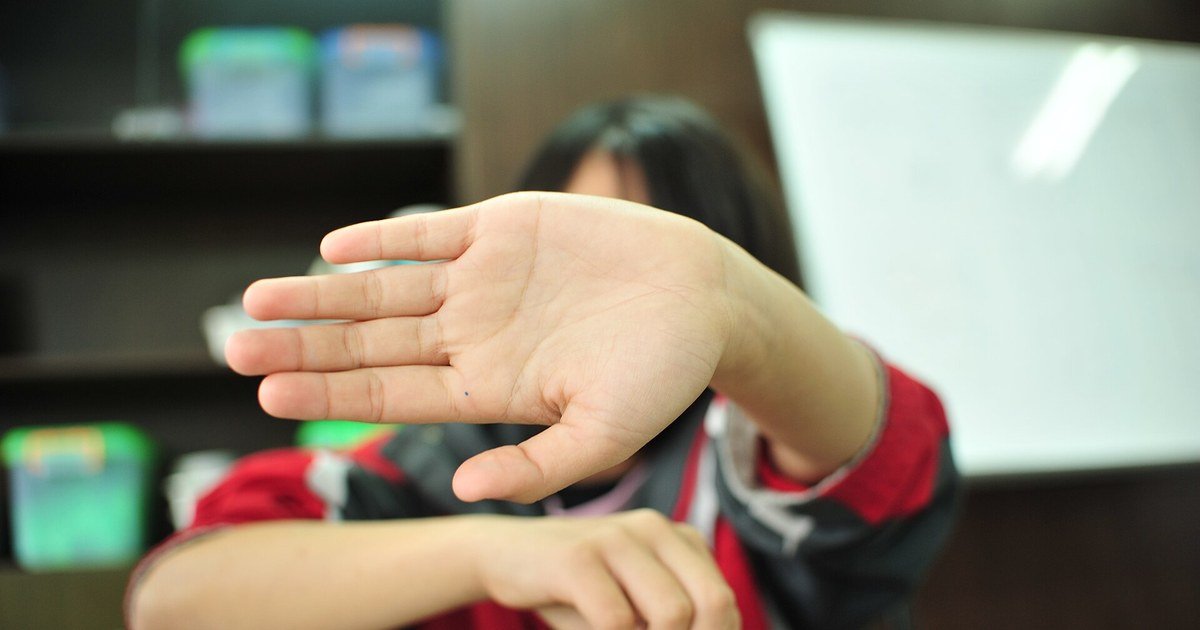
Photo: 褒忠國中 雲端網 / Wikimedia Commons · CC BY 2.0
A student covers her face (not related to the study). Reference photo: 褒忠國中 雲端網 / Wikimedia Commons (CC BY 2.0).
The World Health Organization (WHO) estimates that one in seven young people aged 10 to 19 lives with a mental disorder, and warns that half of all mental health conditions seen in adulthood begin before age 18. Anxiety and depression are among the most common.
Often, no one at home notices.
In Colombia, according to figures cited by Infobae, 10.4% of people aged 12 to 17 show signs of possible emotional disorders, rising to 12.8% among girls. In the previous 30 days, 4.8% of teenagers reported suicidal thoughts and 2.9% reported self-harm. School matters too: in 2025, 21% of 15-year-old students said they had been bullied several times a month or more.
“A teenager is not going to get over it alone”
Psychologist Jennifer Avellaneda told Infobae Colombia that adolescence is a time of major physical, hormonal, cognitive and social changes, on top of academic demands, conflict at home, bullying, discrimination and pressure to fit in. “A teenager is not going to get over it alone,” she said, urging parents, teachers and friends to listen without judgment and stay close. “In some cases it is important to seek professional help,” she added.
She said early detection, listening at home and timely access to professional care can keep distress from turning into a crisis.
Signs that deserve attention
Not every mood swing is a disorder, but it is worth paying attention when signs are persistent or affect daily life:
- Long-lasting withdrawal from friends and family, or dropping activities they used to enjoy.
- Sadness, irritability or anger that lasts for weeks.
- Marked changes in sleep, appetite or school performance.
- Talk of hopelessness or not wanting to live, or signs of self-harm: in that case, seek help immediately.
What families can do
The WHO says protective factors include supportive relationships at home and school, sleep and exercise routines, and safe environments. Experts recommend listening without judging, validating feelings (“I understand you feel this way”) instead of brushing them off, and making it easy to see a professional when the distress does not ease.
If you notice these signs in your child or a teenager close to you, talk to their doctor or a psychologist. If there is immediate risk, call your country’s emergency number (in the U.S., you can call or text 988).
Read also: Amy Gutiérrez habló de depresión y alcohol: señales para pedir ayuda · Cambio de horario: cómo afecta al sueño
Sources
For information only. It does not replace advice from a health professional. Medical disclaimer