Colombia rules out Ebola for now: the two travelers who came back from Congo had severe malaria, and one died in Palmira
The Health Ministry and the INS confirmed Plasmodium falciparum malaria in two Colombians who returned from the Democratic Republic of the Congo. A 33-year-old man died; the other, 50, is in isolation in Cali while tests are completed.
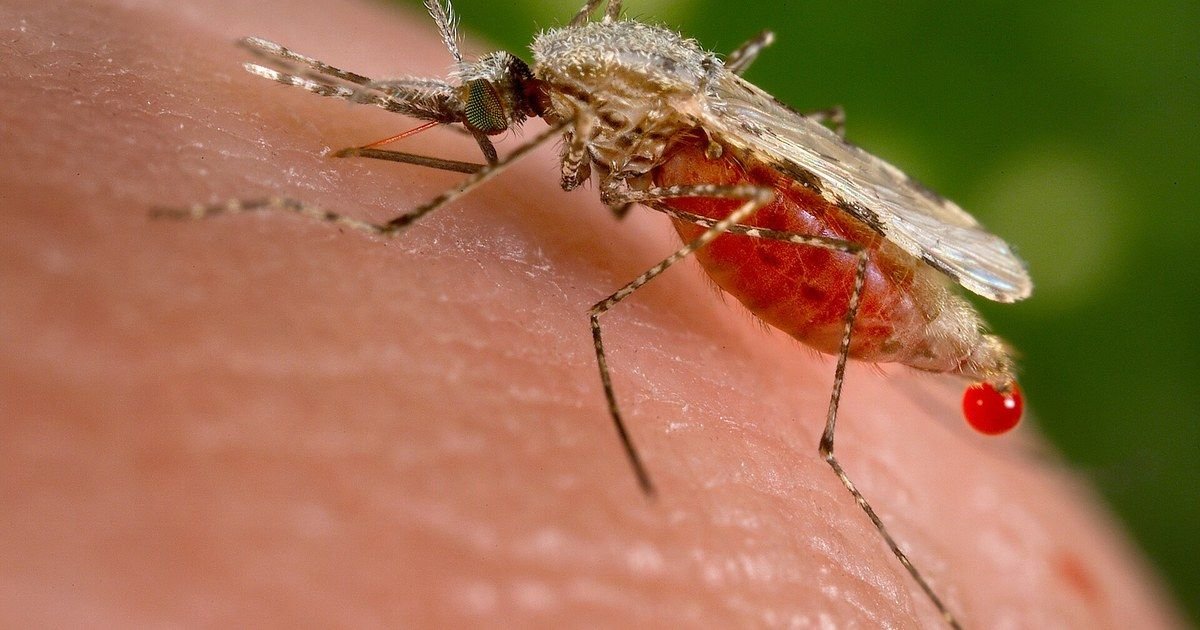
Photo: Wikimedia Commons · Public domain
Anopheles mosquito, which transmits malaria. Reference photo: Jim Gathany / Wikimedia Commons (Public domain).
Colombia’s Ministry of Health and Social Protection and the National Health Institute (INS) confirmed that the two Colombians who recently arrived from the Democratic Republic of the Congo have Plasmodium falciparum malaria, and that so far there is no confirmation of Ebola, Caracol Radio, Noticias Caracol and El País of Cali reported.
One of them did not survive.
“One of the patients, aged 33, died on October 31 at a hospital in Palmira. The second, aged 50, is alive and in isolation receiving medical care in Cali,” the ministry said in a statement quoted by El País.
Why Ebola was suspected
The alarm went up because both men had traveled to the DR Congo, a country facing an Ebola outbreak, and because the hospitalized patient had a fever. Protocols were activated to rule out other diseases of public health importance, samples were taken and laboratory checks are under way. Teams from the INS and health authorities are working in Cali and Palmira to retrace the travelers’ movements in Africa and identify possible contacts.
So far, the only confirmed diagnoses are malaria. Malaria does not spread from person to person, the World Health Organization (WHO) notes: it is transmitted through the bites of infected mosquitoes.
Malaria kills too
According to the WHO, malaria is a preventable and curable but potentially deadly disease. The first symptoms are usually fever, headache and chills, and generally appear 10 to 15 days after the bite. Because they are not specific, the WHO advises getting tested as soon as possible. Severe cases can cause extreme fatigue, confusion, seizures and difficulty breathing. Travelers, young children, pregnant women and people with HIV are at higher risk of serious illness.
Plasmodium falciparum is the species that most often causes severe malaria. Early treatment can keep a mild case from getting worse.
If you are traveling or just got back
- Before traveling to areas with malaria, see your doctor or a travel medicine clinic: they may prescribe preventive medication.
- Use insect repellent, long sleeves and bed nets.
- If you get a fever in the weeks or months after you return, see a doctor and say clearly where you have been. That information changes which tests you will get.
Authorities urge people to rely on official channels. This is a developing story; we will update it when pending lab results are released.
Read also: Prueba casera de VPH creada por colombianos: qué se sabe · Chiapas: niña muere tras comer hongos silvestres
Sources
For information only. It does not replace advice from a health professional. Medical disclaimer